Mississauga City Guide
Everything you need to know about living in Mississauga, ON
About Mississauga
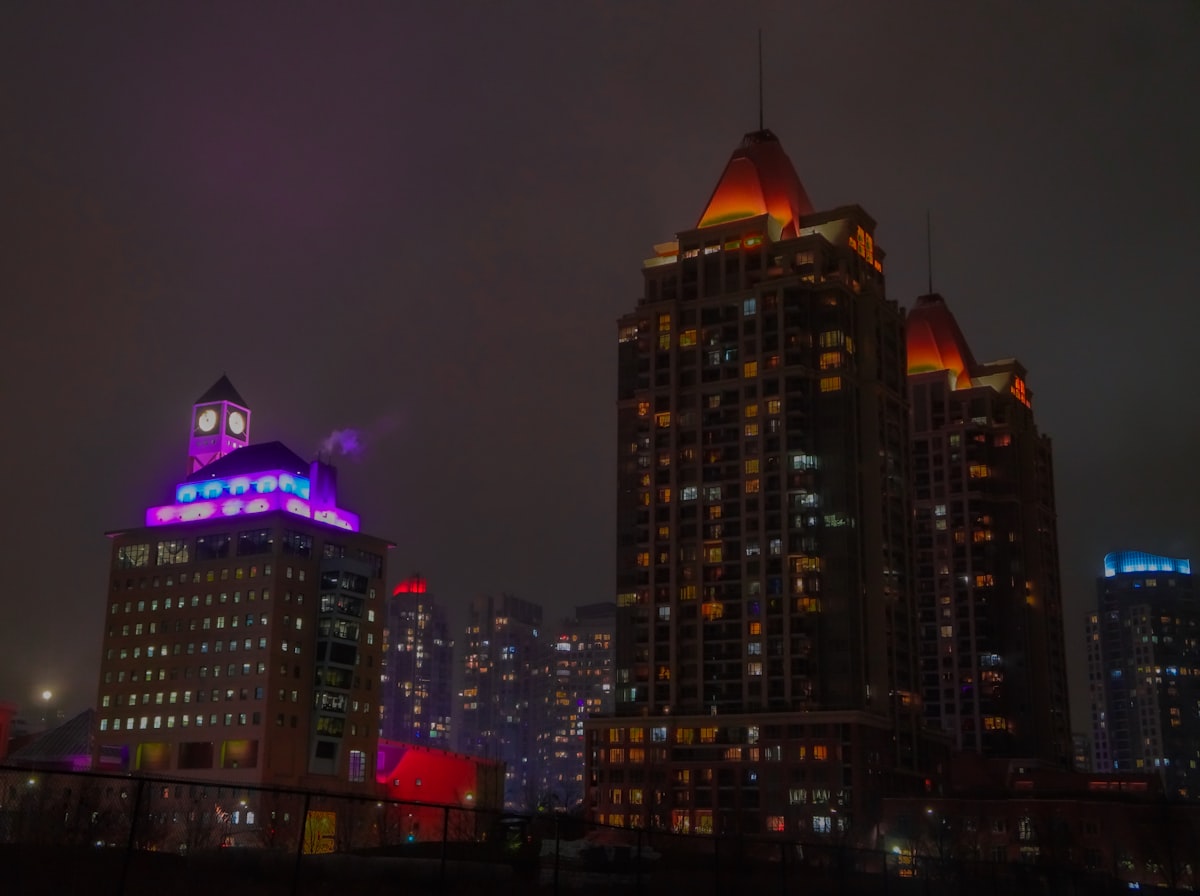 Mississauga is Canada's seventh-largest city and the second-largest in the Greater Toronto Area, with a population approaching 800,000 across 288 square kilometres along the northwestern shore of Lake Ontario. Originally a collection of small villages - Port Credit, Cooksville, Clarkson, Malton, Streetsville, and Meadowvale - Mississauga incorporated as a city in 1974 and has since grown into a major urban centre with its own economic identity, cultural institutions, and rapidly densifying downtown core centred around Square One.
The city's economy is remarkably self-sufficient: more people commute into Mississauga for work than commute out, a distinction rare among GTA suburbs. Over 55,000 businesses operate here, including 61 Fortune 500 companies with Canadian headquarters or major divisional offices - names like Microsoft Canada, Hewlett Packard Enterprise, Amazon Canada, and AstraZeneca. Toronto Pearson International Airport, Canada's busiest, sits in Mississauga's northeast corner and generates tens of thousands of jobs in aviation, logistics, and hospitality.
Mississauga's cultural identity reflects Canada's diversity at its most concentrated. Over 52% of residents speak a language other than English at home, and the city's neighbourhoods are shaped by South Asian, Chinese, Filipino, Middle Eastern, and Eastern European communities whose cultural institutions, festivals, and food scenes create distinct neighbourhood characters across the city.
Explore all Mississauga homes for sale, or dive deeper with our market trends analysis, most expensive homes, and best neighbourhoods guides.
Mississauga is Canada's seventh-largest city and the second-largest in the Greater Toronto Area, with a population approaching 800,000 across 288 square kilometres along the northwestern shore of Lake Ontario. Originally a collection of small villages - Port Credit, Cooksville, Clarkson, Malton, Streetsville, and Meadowvale - Mississauga incorporated as a city in 1974 and has since grown into a major urban centre with its own economic identity, cultural institutions, and rapidly densifying downtown core centred around Square One.
The city's economy is remarkably self-sufficient: more people commute into Mississauga for work than commute out, a distinction rare among GTA suburbs. Over 55,000 businesses operate here, including 61 Fortune 500 companies with Canadian headquarters or major divisional offices - names like Microsoft Canada, Hewlett Packard Enterprise, Amazon Canada, and AstraZeneca. Toronto Pearson International Airport, Canada's busiest, sits in Mississauga's northeast corner and generates tens of thousands of jobs in aviation, logistics, and hospitality.
Mississauga's cultural identity reflects Canada's diversity at its most concentrated. Over 52% of residents speak a language other than English at home, and the city's neighbourhoods are shaped by South Asian, Chinese, Filipino, Middle Eastern, and Eastern European communities whose cultural institutions, festivals, and food scenes create distinct neighbourhood characters across the city.
Explore all Mississauga homes for sale, or dive deeper with our market trends analysis, most expensive homes, and best neighbourhoods guides.
Top Neighbourhoods in Mississauga
City Centre
- Avg Price
- $2,100
- For Sale
- 49
- Sold/mo
- 2
Meadowvale
- Avg Price
- $313,925
- For Sale
- 24
- Sold/mo
- 2
Churchill Meadows
- Avg Price
- $3,200
- For Sale
- 30
- Sold/mo
- 1
East Credit
- Avg Price
- $4,500
- For Sale
- 28
- Sold/mo
- 1
Lisgar
- Avg Price
- $819,900
- For Sale
- 17
- Sold/mo
- 1
Erindale
- Avg Price
- $3,200,000
- For Sale
- 11
- Sold/mo
- 1
Malton
- Avg Price
- $659,000
- For Sale
- 16
- Sold/mo
- 1
Lorne Park
- Avg Price
- $3,199,000
- For Sale
- 25
- Sold/mo
- 1
Streetsville
- Avg Price
- $775,000
- For Sale
- 15
- Sold/mo
- 1
Hurontario
- Avg Price
- $3,400
- For Sale
- 24
- Sold/mo
- 1
Housing in Mississauga
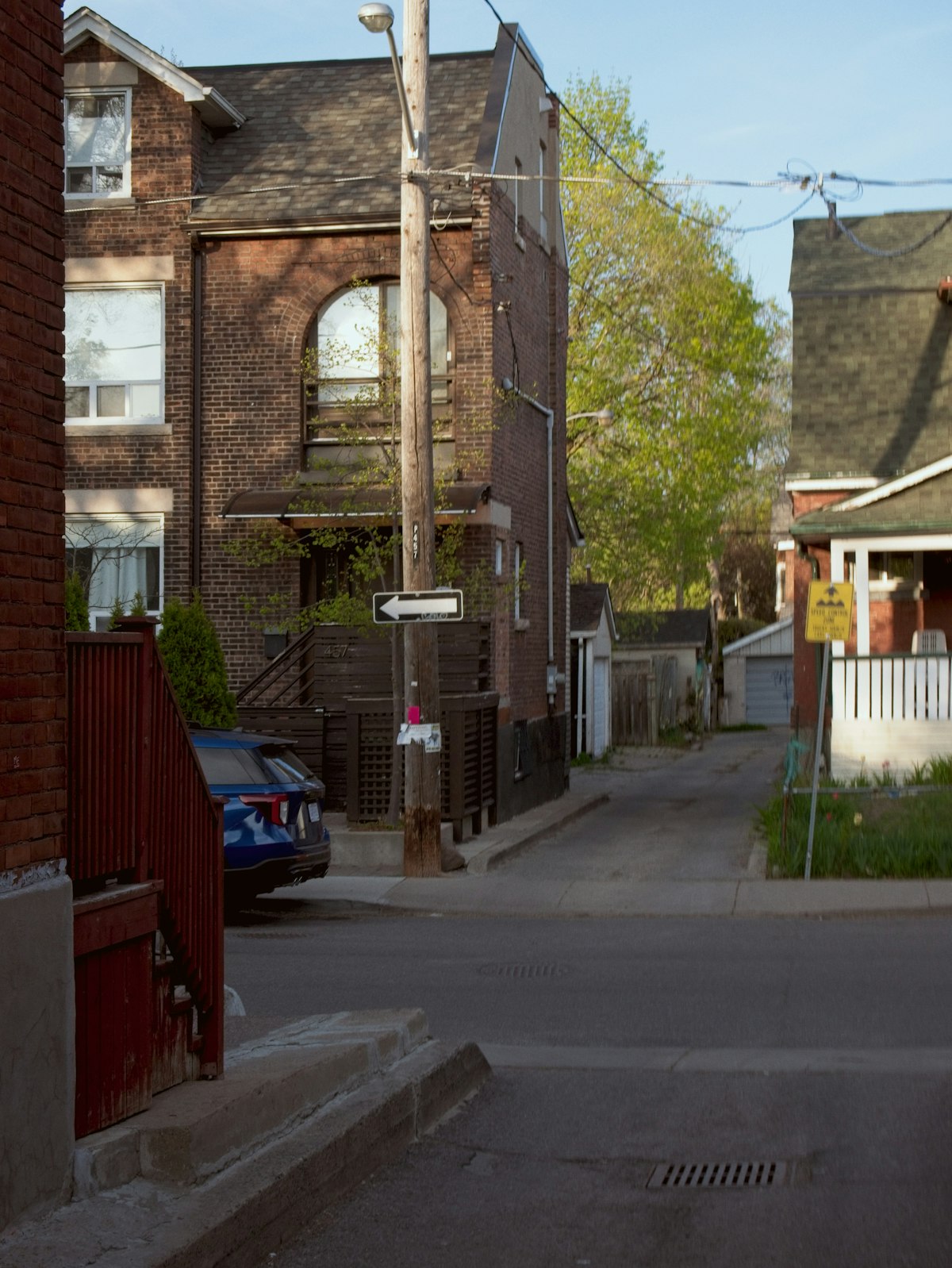 Mississauga's housing stock spans nearly every era and type of Canadian residential construction. Port Credit's heritage cottages and waterfront homes from the 1920s-1940s contrast with Erin Mills' sprawling 1970s-1980s subdivisions, Meadowvale's mature 1980s-1990s family homes, and the glass condo towers rising around Square One and along the Hurontario corridor. The city is largely built out for single-family development, meaning new supply comes primarily through high-density intensification around transit nodes.
The average home price sits around $949,000 in early 2026, with detached homes averaging approximately $1.4 million, semi-detached $1.05 million, townhouses $830,000, and condos $560,000. Prices declined roughly 10% year-over-year in early 2026, placing the market firmly in buyer-friendly territory with 5.4 months of inventory. The luxury segment in Lorne Park and Mineola features custom-built estates from $2 million to $7 million on generous lots with mature tree canopy.
For detailed market data and pricing trends, see our market trends analysis. Browse all Mississauga listings to see what is currently available.
Mississauga's housing stock spans nearly every era and type of Canadian residential construction. Port Credit's heritage cottages and waterfront homes from the 1920s-1940s contrast with Erin Mills' sprawling 1970s-1980s subdivisions, Meadowvale's mature 1980s-1990s family homes, and the glass condo towers rising around Square One and along the Hurontario corridor. The city is largely built out for single-family development, meaning new supply comes primarily through high-density intensification around transit nodes.
The average home price sits around $949,000 in early 2026, with detached homes averaging approximately $1.4 million, semi-detached $1.05 million, townhouses $830,000, and condos $560,000. Prices declined roughly 10% year-over-year in early 2026, placing the market firmly in buyer-friendly territory with 5.4 months of inventory. The luxury segment in Lorne Park and Mineola features custom-built estates from $2 million to $7 million on generous lots with mature tree canopy.
For detailed market data and pricing trends, see our market trends analysis. Browse all Mississauga listings to see what is currently available.
Lifestyle & Culture
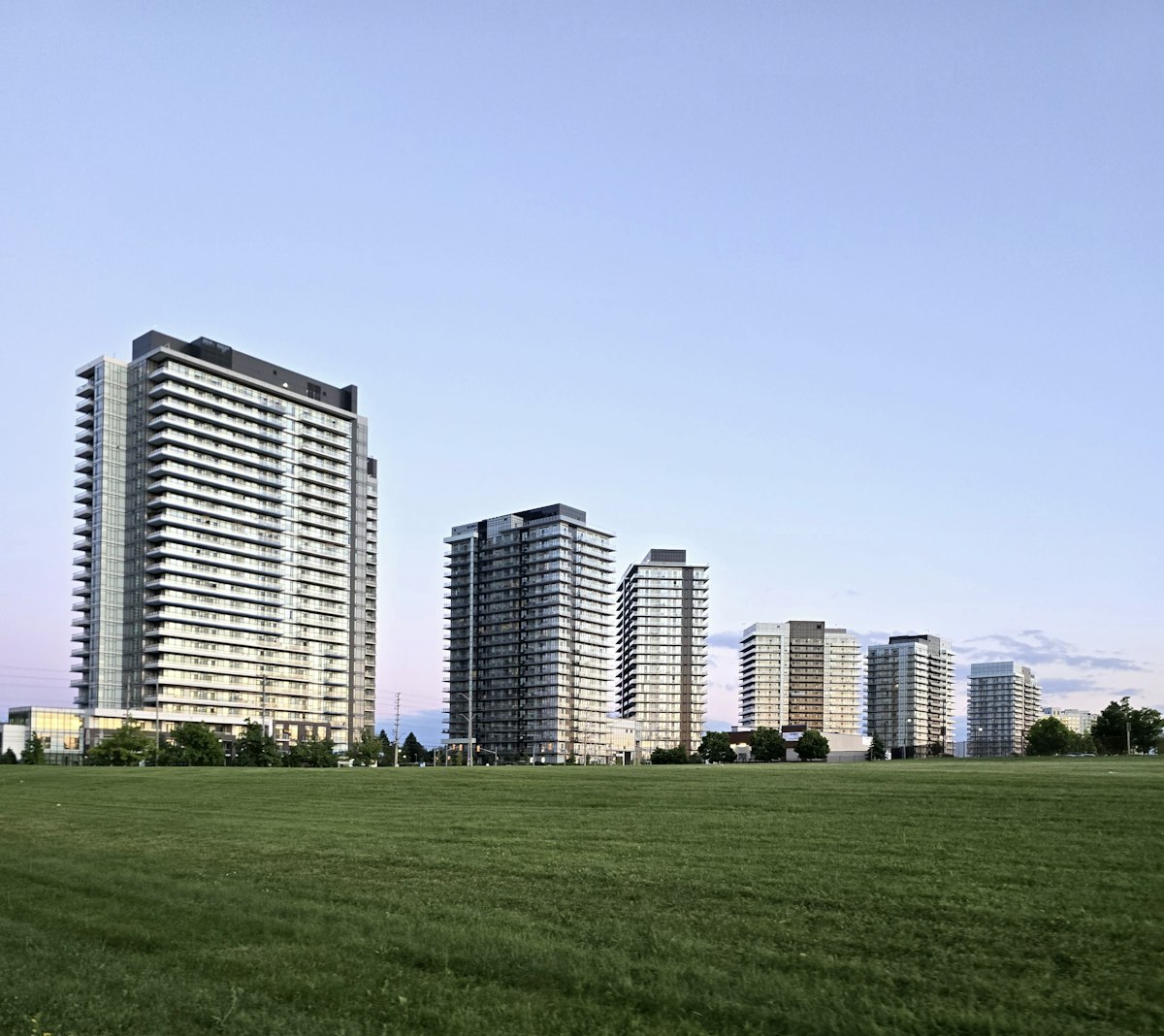 Mississauga's lifestyle varies dramatically by neighbourhood - from the urban energy of City Centre with its towers, shopping, and nightlife to the lakeside village charm of Port Credit with its marinas, patios, and independent shops. The city's waterfront stretches over 22 kilometres along Lake Ontario, anchored by parks like Jack Darling Memorial Park, Lakefront Promenade Park, and the emerging Lakeview Village development that will transform a former power plant site into a mixed-use waterfront community.
The cultural scene has matured significantly, with the Living Arts Centre hosting performing arts and galleries, Celebration Square providing year-round outdoor programming (including a skating rink and summer concerts), and the Mississauga Civic Centre's distinctive sail-shaped design by Ed Jones and Michael Kirkland serving as an architectural landmark. The South Asian food scene along Hurontario Street and in Malton is considered among the best in North America, rivalling the offerings found in Brampton's restaurant corridor.
Mississauga's lifestyle varies dramatically by neighbourhood - from the urban energy of City Centre with its towers, shopping, and nightlife to the lakeside village charm of Port Credit with its marinas, patios, and independent shops. The city's waterfront stretches over 22 kilometres along Lake Ontario, anchored by parks like Jack Darling Memorial Park, Lakefront Promenade Park, and the emerging Lakeview Village development that will transform a former power plant site into a mixed-use waterfront community.
The cultural scene has matured significantly, with the Living Arts Centre hosting performing arts and galleries, Celebration Square providing year-round outdoor programming (including a skating rink and summer concerts), and the Mississauga Civic Centre's distinctive sail-shaped design by Ed Jones and Michael Kirkland serving as an architectural landmark. The South Asian food scene along Hurontario Street and in Malton is considered among the best in North America, rivalling the offerings found in Brampton's restaurant corridor.
Getting Around
Mississauga's transit network is anchored by MiWay, the city's bus system, and GO Transit commuter rail providing service to Toronto's Union Station via the Lakeshore West and Milton lines. The Port Credit and Cooksville GO stations are the primary commuter rail hubs. The Hazel McCallion Line (Hurontario LRT), an 18-kilometre light rail line under construction along Hurontario Street with 19 stops from Port Credit to Steeles Avenue, is expected to open by 2028 and will transform the city's north-south transit spine. The Mississauga Transitway, a dedicated bus rapid transit corridor, connects City Centre to Renforth Station for TTC subway access. Highway access includes the 401, 403, 407 ETR, and the QEW, making Mississauga one of the best-connected cities in the GTA for commuters. Toronto Pearson Airport, located in the northeast corner, provides employment and air travel access.
Education
Mississauga is served by the Peel District School Board (public) and the Dufferin-Peel Catholic District School Board. Notable secondary schools include Lorne Park Secondary School, Port Credit Secondary School, St. Francis Xavier Secondary School, and Cawthra Park Secondary School (a regional arts school attracting students from across Peel Region). The University of Toronto Mississauga (UTM) campus in Erindale provides a major post-secondary institution, while Sheridan College's Hazel McCallion Campus in City Centre focuses on business and technology programs. Several private schools serve the community, including Appleby College (nearby in Oakville) and the Mississauga campus of TFS - Canada's International School.
Parks, Shopping & Amenities
Mississauga maintains over 500 parks and 23 community centres across the city. The Port Credit waterfront is the premier recreational destination, offering marinas, the Waterfront Trail, restaurants, and seasonal festivals including Southside Shuffle and the Port Credit Busker Fest. Square One Shopping Centre is one of Canada's largest malls with over 360 stores. The city's trail network includes the Culham Trail, Credit River Trail, and Etobicoke Creek Trail for cycling and hiking. Recreational facilities include the Hershey Centre (now Paramount Fine Foods Centre) for hockey and concerts, and numerous arenas, pools, and sports complexes distributed across the city's community centres.
Mississauga Real Estate Articles
View All →How Much House Can You Afford in Mississauga in 2026?
Find out how much house you can afford in Mississauga in 2026 based on current mortgage rates, the stress test, and income requirements for every property type.
Is Mississauga a Good Place to Invest in Real Estate in 2026?
An honest assessment of Mississauga real estate as an investment in 2026, covering rental yields, vacancy trends, the Hurontario LRT impact, and the best neighbourhoods to buy.
Cost of Living in Mississauga (2026)
A detailed breakdown of the cost of living in Mississauga in 2026, covering housing, transportation, groceries, and utilities with comparisons to Toronto.
First-Time Home Buyer Guide to Mississauga (2026)
Everything first-time buyers need to know about purchasing a home in Mississauga in 2026, including FHSA, HBP, Ontario LTT rebates, and a condo-first strategy.
Mississauga Market at a Glance
$437,601
Avg Price
$3,575
Median Price
2,720
Active Listings