Coquitlam City Guide
Everything you need to know about living in Coquitlam, BC
About Coquitlam
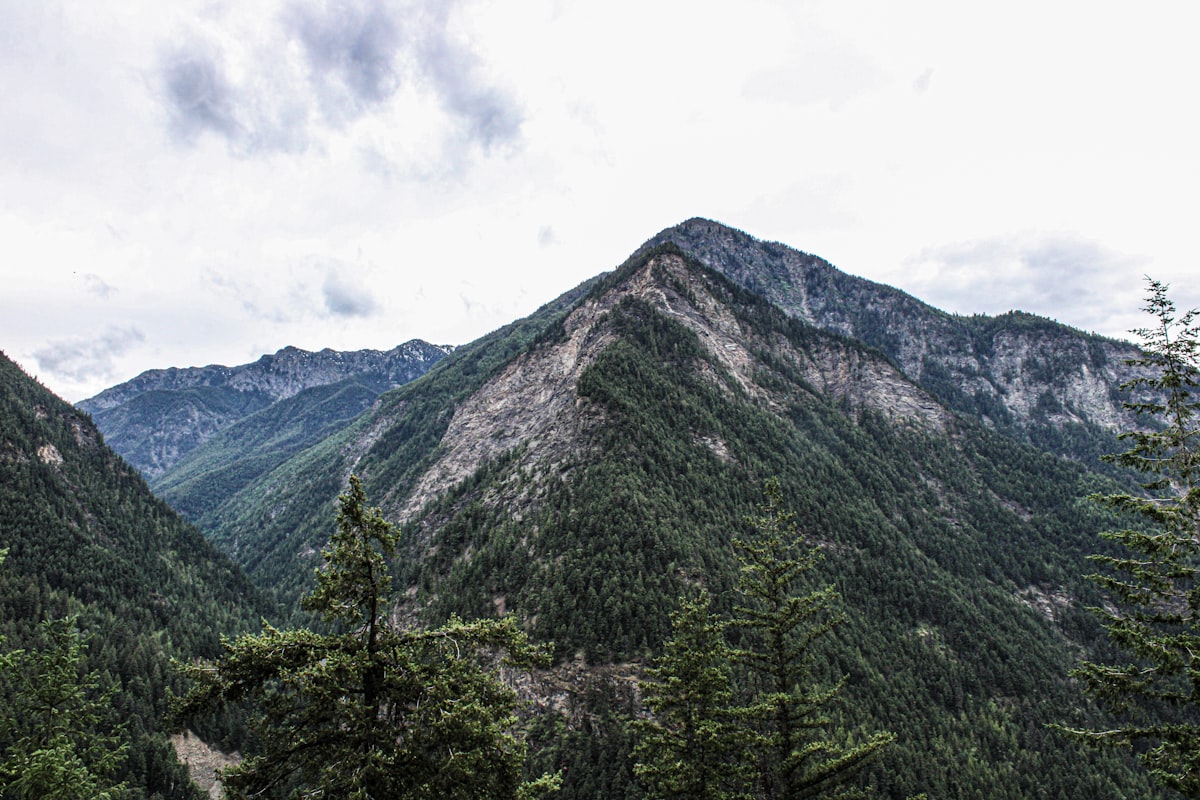 Coquitlam is a thriving city in Metro Vancouver with a population of 148,625 (2021 Census), making it the sixth-largest city in British Columbia. Situated at the base of Burke Mountain and Eagle Mountain, the city stretches from the shores of the Coquitlam River to the forested slopes of the North Shore mountains. As part of the Tri-Cities area alongside Port Coquitlam and Port Moody, Coquitlam blends urban convenience with extraordinary natural surroundings.
The city's story is one of remarkable transformation. From its early roots as a resource town - with Maillardville, one of BC's oldest French-Canadian communities founded in 1909 - Coquitlam has grown into a diverse, modern city. The 2016 opening of the SkyTrain Evergreen Extension (Millennium Line) was a turning point, connecting residents to downtown Vancouver in under 45 minutes and triggering a wave of transit-oriented development around stations in Burquitlam and North Coquitlam.
At the heart of the city lies Town Centre Park, a 240-acre green oasis featuring the iconic Lafarge Lake. This beloved destination hosts the dazzling Lights at Lafarge winter festival, Dragon Boat Festival, and Movies at the Park in summer. The park anchors the growing Town Centre neighbourhood, where Coquitlam Centre mall, civic facilities, and high-rise condominiums form a dynamic urban core. Beyond the urban centre, Coquitlam offers over 260 parks and 170 km of trails, giving residents unmatched access to nature.
Housing in Coquitlam spans the full spectrum - from heritage homes in Maillardville and established bungalows in Central Coquitlam, to new master-planned communities on Burke Mountain and sleek high-rise condos near SkyTrain stations. Average home prices hover around $1.1M, reflecting Coquitlam's desirability and its position as a more affordable alternative to Vancouver while offering comparable amenities and transit access.
Browse all Coquitlam listings, explore our market trends analysis, discover the most expensive homes, or compare the best neighbourhoods.
Coquitlam is a thriving city in Metro Vancouver with a population of 148,625 (2021 Census), making it the sixth-largest city in British Columbia. Situated at the base of Burke Mountain and Eagle Mountain, the city stretches from the shores of the Coquitlam River to the forested slopes of the North Shore mountains. As part of the Tri-Cities area alongside Port Coquitlam and Port Moody, Coquitlam blends urban convenience with extraordinary natural surroundings.
The city's story is one of remarkable transformation. From its early roots as a resource town - with Maillardville, one of BC's oldest French-Canadian communities founded in 1909 - Coquitlam has grown into a diverse, modern city. The 2016 opening of the SkyTrain Evergreen Extension (Millennium Line) was a turning point, connecting residents to downtown Vancouver in under 45 minutes and triggering a wave of transit-oriented development around stations in Burquitlam and North Coquitlam.
At the heart of the city lies Town Centre Park, a 240-acre green oasis featuring the iconic Lafarge Lake. This beloved destination hosts the dazzling Lights at Lafarge winter festival, Dragon Boat Festival, and Movies at the Park in summer. The park anchors the growing Town Centre neighbourhood, where Coquitlam Centre mall, civic facilities, and high-rise condominiums form a dynamic urban core. Beyond the urban centre, Coquitlam offers over 260 parks and 170 km of trails, giving residents unmatched access to nature.
Housing in Coquitlam spans the full spectrum - from heritage homes in Maillardville and established bungalows in Central Coquitlam, to new master-planned communities on Burke Mountain and sleek high-rise condos near SkyTrain stations. Average home prices hover around $1.1M, reflecting Coquitlam's desirability and its position as a more affordable alternative to Vancouver while offering comparable amenities and transit access.
Browse all Coquitlam listings, explore our market trends analysis, discover the most expensive homes, or compare the best neighbourhoods.
Top Neighbourhoods in Coquitlam
Housing in Coquitlam
 Coquitlam's housing stock reflects decades of growth layered across distinct eras of development. Established west-side neighbourhoods like Central Coquitlam and Coquitlam West are dominated by post-war and mid-century single-family homes on generous lots, many of which have been renovated or replaced with modern infill. Maillardville retains its heritage character with older craftsman-style homes and a growing number of townhouse projects.
The SkyTrain Evergreen Extension has fundamentally reshaped the market around Burquitlam and North Coquitlam stations. These areas now feature a concentration of purpose-built high-rise condominiums and mid-rise apartment buildings, with new towers regularly adding to the skyline. These transit-oriented developments attract first-time buyers and investors drawn to the combination of affordability (relative to Vancouver) and rapid access to employment centres.
Burke Mountain, in the city's northeast, represents Coquitlam's newest major residential expansion. A master-planned community of new single-family homes, duplexes, and townhouses, Burke Mountain appeals to families seeking more space and newer construction. Westwood Plateau, perched at higher elevation in the southwest, offers upscale estate homes and is home to the Westwood Plateau Golf and Country Club.
Average detached home prices range from $1.5M to $1.8M depending on neighbourhood, while townhouses typically list between $800K and $1.1M. Condominiums near SkyTrain stations generally range from $550K to $800K. For current pricing data and trends, see our market trends analysis.
Coquitlam's housing stock reflects decades of growth layered across distinct eras of development. Established west-side neighbourhoods like Central Coquitlam and Coquitlam West are dominated by post-war and mid-century single-family homes on generous lots, many of which have been renovated or replaced with modern infill. Maillardville retains its heritage character with older craftsman-style homes and a growing number of townhouse projects.
The SkyTrain Evergreen Extension has fundamentally reshaped the market around Burquitlam and North Coquitlam stations. These areas now feature a concentration of purpose-built high-rise condominiums and mid-rise apartment buildings, with new towers regularly adding to the skyline. These transit-oriented developments attract first-time buyers and investors drawn to the combination of affordability (relative to Vancouver) and rapid access to employment centres.
Burke Mountain, in the city's northeast, represents Coquitlam's newest major residential expansion. A master-planned community of new single-family homes, duplexes, and townhouses, Burke Mountain appeals to families seeking more space and newer construction. Westwood Plateau, perched at higher elevation in the southwest, offers upscale estate homes and is home to the Westwood Plateau Golf and Country Club.
Average detached home prices range from $1.5M to $1.8M depending on neighbourhood, while townhouses typically list between $800K and $1.1M. Condominiums near SkyTrain stations generally range from $550K to $800K. For current pricing data and trends, see our market trends analysis.
Lifestyle & Culture
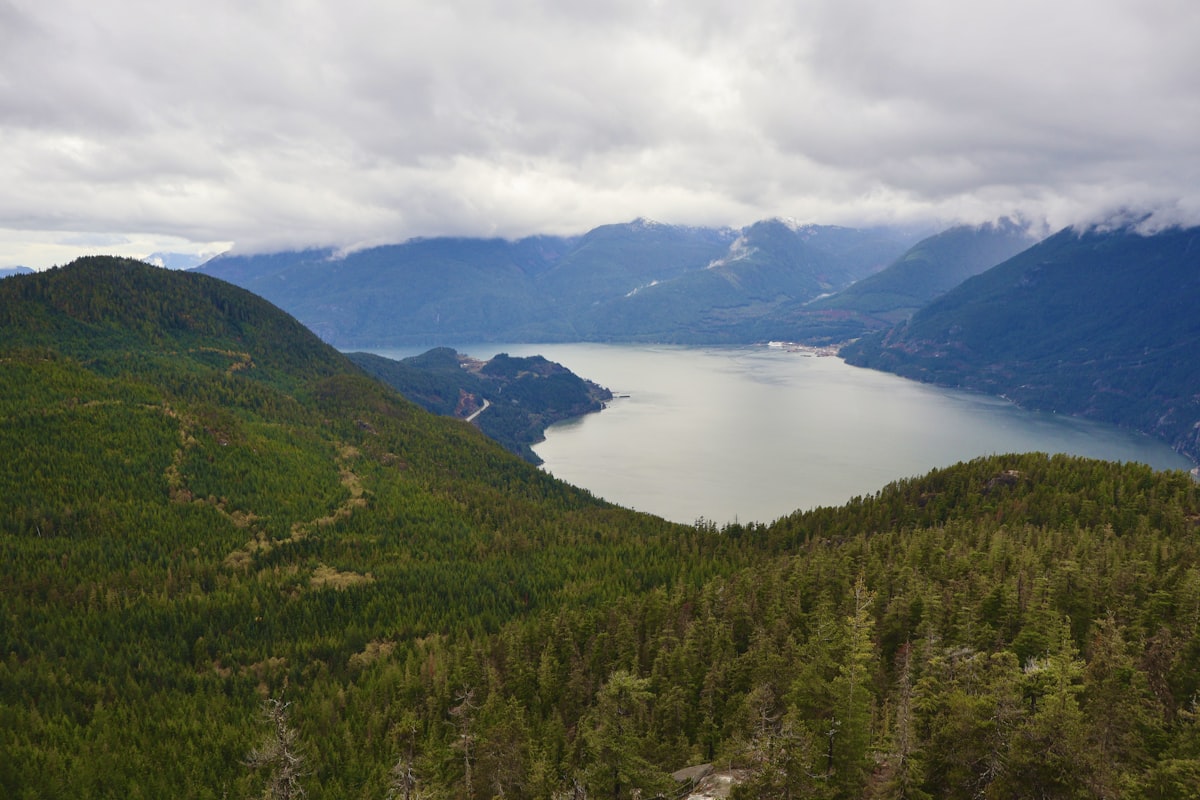 Life in Coquitlam is defined by the rare ability to be both a city dweller and an outdoor enthusiast without compromise. On one hand, residents enjoy the full amenities of a major urban centre: Coquitlam Centre (one of Metro Vancouver's largest malls), a thriving restaurant scene across neighbourhoods like Austin Heights and Burquitlam, and a busy calendar of festivals and community events. On the other hand, the city's 260+ parks and direct access to Pinecone Burke Provincial Park mean world-class hiking, mountain biking, and trail running are minutes from home.
Town Centre Park is the beating heart of Coquitlam's recreational life. Lafarge Lake's paved loop trail, paddling, and picnic areas draw thousands of residents daily. In December, Lights at Lafarge transforms the park into a magical winter wonderland that attracts visitors from across Metro Vancouver. Summer brings the Dragon Boat Festival and free outdoor movies, while the weekly Coquitlam Farmers Market (May through October) draws vendors and shoppers from across the Tri-Cities.
Coquitlam's cultural identity is enriched by its deep French-Canadian heritage. The Maillardville neighbourhood anchors this tradition with Place des Arts, a thriving community arts centre offering visual arts, music, and dance programs. The annual Festival du Bois, one of BC's longest-running French-Canadian cultural celebrations, draws performers and audiences from across Canada each spring. The Evergreen Cultural Centre in City Centre adds professional theatre, dance, and live music performances year-round.
The city is home to an exceptionally diverse population with significant Chinese, Korean, Filipino, and South Asian communities, all contributing to a rich dining and cultural scene. From dim sum in North Coquitlam to Korean BBQ in Burquitlam, international cuisine is a hallmark of daily life. Community recreation is served by six major recreation centres including the award-winning Poirier Sport and Leisure Complex.
Life in Coquitlam is defined by the rare ability to be both a city dweller and an outdoor enthusiast without compromise. On one hand, residents enjoy the full amenities of a major urban centre: Coquitlam Centre (one of Metro Vancouver's largest malls), a thriving restaurant scene across neighbourhoods like Austin Heights and Burquitlam, and a busy calendar of festivals and community events. On the other hand, the city's 260+ parks and direct access to Pinecone Burke Provincial Park mean world-class hiking, mountain biking, and trail running are minutes from home.
Town Centre Park is the beating heart of Coquitlam's recreational life. Lafarge Lake's paved loop trail, paddling, and picnic areas draw thousands of residents daily. In December, Lights at Lafarge transforms the park into a magical winter wonderland that attracts visitors from across Metro Vancouver. Summer brings the Dragon Boat Festival and free outdoor movies, while the weekly Coquitlam Farmers Market (May through October) draws vendors and shoppers from across the Tri-Cities.
Coquitlam's cultural identity is enriched by its deep French-Canadian heritage. The Maillardville neighbourhood anchors this tradition with Place des Arts, a thriving community arts centre offering visual arts, music, and dance programs. The annual Festival du Bois, one of BC's longest-running French-Canadian cultural celebrations, draws performers and audiences from across Canada each spring. The Evergreen Cultural Centre in City Centre adds professional theatre, dance, and live music performances year-round.
The city is home to an exceptionally diverse population with significant Chinese, Korean, Filipino, and South Asian communities, all contributing to a rich dining and cultural scene. From dim sum in North Coquitlam to Korean BBQ in Burquitlam, international cuisine is a hallmark of daily life. Community recreation is served by six major recreation centres including the award-winning Poirier Sport and Leisure Complex.
Getting Around
Coquitlam is one of Metro Vancouver's best-connected suburban cities, anchored by the SkyTrain Millennium Line (Evergreen Extension), which opened in 2016. The line provides five stations within the city: Burquitlam, Lougheed Town Centre (shared with Burnaby), Coquitlam Central, Lincoln, and Lafarge Lake-Douglas (the eastern terminus). From Coquitlam Central, peak-hour commutes to downtown Vancouver take approximately 40-45 minutes. Coquitlam Central Station is also a hub for the West Coast Express commuter rail service, which connects to downtown Vancouver in under 35 minutes during rush hour - one of the fastest commuter rail links in the region. Multiple bus routes (TransLink) radiate from all SkyTrain stations and serve neighbourhoods not directly on the rapid transit line, including Burke Mountain (serviced by route 160), Westwood Plateau, and Maillardville. By road, Coquitlam is well-served by the Lougheed Highway (Highway 7), Barnet Highway (Highway 7A), and the Mary Hill Bypass, providing connections to Port Moody, Port Coquitlam, Burnaby, and the Trans-Canada Highway. Commute times to downtown Vancouver by car average 30-45 minutes depending on traffic. The Port Mann Bridge over the Fraser River provides access to Surrey and the South Fraser.
Education
Coquitlam is served by School District 43 (SD43), the third-largest school district in British Columbia with over 30,000 students across 57 elementary schools and 11 secondary schools. Secondary schools are highly regarded, with Terry Fox Secondary, Dr. Charles Best Secondary, Centennial Secondary, and Pinetree Secondary all offering strong academic and extracurricular programs. French immersion programs are available at multiple levels throughout the district. The district serves students across Coquitlam, Port Coquitlam, and Port Moody. Alternative and choice programs include fine arts, athletics, and technology streams. École Gabrielle-Roy in Maillardville provides full Francophone (French first-language) education, reflecting the area's historic French-Canadian community. Post-secondary options are accessible via transit. Simon Fraser University (SFU) on Burnaby Mountain is reachable in approximately 20 minutes. Douglas College has a campus in Port Moody, adjacent to Coquitlam, and the Tri-Cities Shared Campus in Coquitlam provides continuing education and trades training. The British Columbia Institute of Technology (BCIT) in Burnaby is also commuter-accessible via SkyTrain.
Parks, Shopping & Amenities
Coquitlam Centre, one of Metro Vancouver's largest shopping destinations, anchors the city's commercial core with over 200 stores including major anchor tenants and a wide dining court. The Coquitlam Centre area also features big-box retail, grocery stores, and service businesses at Town Centre. Austin Heights, a charming commercial strip in North Coquitlam, offers independent shops, cafes, and restaurants with a neighbourhood-market character. Recreation facilities are extensive: the Poirier Sport and Leisure Complex (twin arenas, fitness centre, aquatics), Town Centre Aquatic Complex, Chimo Aquatic and Fitness Centre, and the recently expanded Coquitlam Recreation Complex. Golfers are served by the Westwood Plateau Golf and Country Club, one of the region's premier courses. Healthcare is served by Eagle Ridge Hospital in Port Moody, just minutes from Coquitlam, as well as numerous medical clinics and specialist offices throughout the city. The Riverview hospital lands, a historically significant site in Coquitlam, are being redeveloped as a mixed residential and community space. Cultural amenities include the Evergreen Cultural Centre, Place des Arts, the City Centre Library branch, and Poirier Library in Austin Heights.
Coquitlam Market at a Glance
$853,898
Avg Price
$789,894
Median Price
822
Active Listings