Delta City Guide
Everything you need to know about living in Delta, BC
About Delta
 Delta is a city in the Lower Mainland of British Columbia, Canada, and part of Greater Vancouver. Located on the Fraser Lowland south of the Fraser River south arm, it is bordered by Richmond to the north, New Westminster to the northeast, Surrey to the east, Boundary Bay and Point Roberts to the south, and the Strait of Georgia to the west. The 2021 Census recorded a population of 108,455 living in 38,058 of its 39,736 total private dwellings, a change of 6.1% from its 2016 population of 102,238. With a land area of 179.66 sq km, Delta had a population density of 603.7 per sq km in 2021.
Delta is officially composed of three distinct communities: North Delta, Ladner, and Tsawwassen. North Delta (2021 population 51,623) is home to over half of Delta's total population and is a largely suburban area in the northeast bordered by the Burns Bog and Surrey. Ladner (population 21,112) is a 19th-century fishing village in the northwest that has expanded into a suburb, with Ladner Trunk Road serving as its main street and Ladner acting as the city's administrative centre. Tsawwassen (population 20,933) is a suburban community in the southwest that calls itself the sunniest place in Metro Vancouver. Luxury waterfront homes line Tsawwassen's coast, and the community is home to the busy Tsawwassen Ferry Terminal, which links the mainland to Vancouver Island and the Gulf Islands.
The completion of the George Massey Tunnel in 1959 and the opening in 1960 of the Tsawwassen Ferry Terminal ended Delta's isolation and resulted in a 400% population growth over the next 20 years. The 1986 completion of the Alex Fraser Bridge connecting North Delta to New Westminster and Vancouver further accelerated growth. On 22 September 2017, the Government of British Columbia changed Delta's status to a City.
Delta's real estate market features an average listing price of $1,545,000 across all property types, with detached homes averaging $1,857,000 and condos starting around $637,000. The municipality currently has over 400 active listings. Browse all Delta listings, explore our market trends analysis, discover the most expensive homes, or compare the best neighbourhoods.
Delta is a city in the Lower Mainland of British Columbia, Canada, and part of Greater Vancouver. Located on the Fraser Lowland south of the Fraser River south arm, it is bordered by Richmond to the north, New Westminster to the northeast, Surrey to the east, Boundary Bay and Point Roberts to the south, and the Strait of Georgia to the west. The 2021 Census recorded a population of 108,455 living in 38,058 of its 39,736 total private dwellings, a change of 6.1% from its 2016 population of 102,238. With a land area of 179.66 sq km, Delta had a population density of 603.7 per sq km in 2021.
Delta is officially composed of three distinct communities: North Delta, Ladner, and Tsawwassen. North Delta (2021 population 51,623) is home to over half of Delta's total population and is a largely suburban area in the northeast bordered by the Burns Bog and Surrey. Ladner (population 21,112) is a 19th-century fishing village in the northwest that has expanded into a suburb, with Ladner Trunk Road serving as its main street and Ladner acting as the city's administrative centre. Tsawwassen (population 20,933) is a suburban community in the southwest that calls itself the sunniest place in Metro Vancouver. Luxury waterfront homes line Tsawwassen's coast, and the community is home to the busy Tsawwassen Ferry Terminal, which links the mainland to Vancouver Island and the Gulf Islands.
The completion of the George Massey Tunnel in 1959 and the opening in 1960 of the Tsawwassen Ferry Terminal ended Delta's isolation and resulted in a 400% population growth over the next 20 years. The 1986 completion of the Alex Fraser Bridge connecting North Delta to New Westminster and Vancouver further accelerated growth. On 22 September 2017, the Government of British Columbia changed Delta's status to a City.
Delta's real estate market features an average listing price of $1,545,000 across all property types, with detached homes averaging $1,857,000 and condos starting around $637,000. The municipality currently has over 400 active listings. Browse all Delta listings, explore our market trends analysis, discover the most expensive homes, or compare the best neighbourhoods.
Top Neighbourhoods in Delta
Housing in Delta
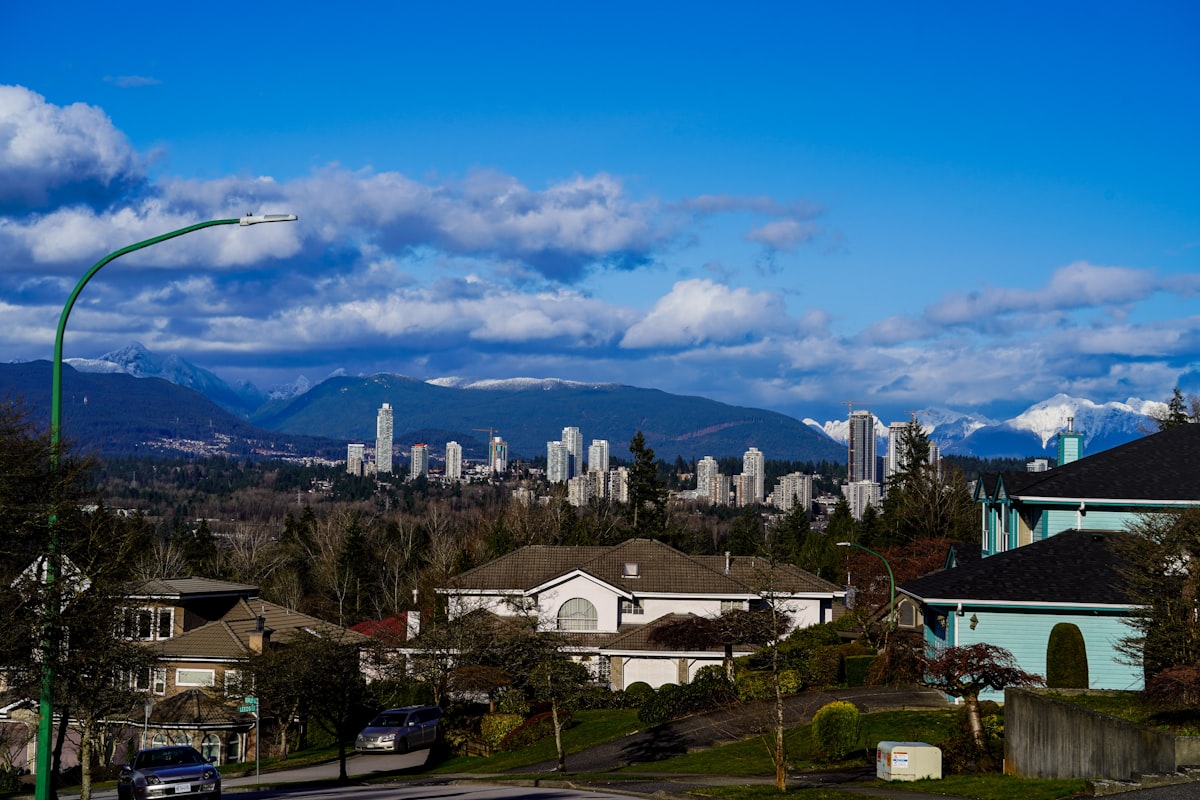 Delta's housing stock reflects its three distinct communities, each with a different market character. North Delta, the most populous community with 51,623 residents, is the most accessible area for buyers, with properties ranging from $620,000 to $1.9 million, including affordable condos starting near $464,000 for one-bedroom units and executive homes in Sunshine Hills commanding prices above $1.5 million.
Ladner preserves a village character with heritage homes near the waterfront and newer family developments further out. The community sits adjacent to Delta Hospital and the Ladner Leisure Centre, making it attractive for families and retirees seeking walkable amenities. Tsawwassen is home to some of the region's most prestigious addresses, particularly along Centennial Parkway and English Bluff Road, where waterfront estates command assessments exceeding $7 million. The median luxury listing price sits around $2,998,000 in the premium segment.
Across the municipality, townhouses average around $1,116,000. Properties spend an average of 44 days on the market with a 96.5% sell-to-list price ratio, indicating a balanced market. The overall average sold price for all property types sits at approximately $1.1 million. The Tsawwassen First Nation - which became the first First Nation to become a full member of the Metro Vancouver Regional District in 2009 - has developed Tsawwassen Mills and continues to manage its approximately 290-hectare (717-acre) land base, contributing to new commercial and residential development activity in the southwest corner of the city. For current pricing data and trends, see our market trends analysis.
Delta's housing stock reflects its three distinct communities, each with a different market character. North Delta, the most populous community with 51,623 residents, is the most accessible area for buyers, with properties ranging from $620,000 to $1.9 million, including affordable condos starting near $464,000 for one-bedroom units and executive homes in Sunshine Hills commanding prices above $1.5 million.
Ladner preserves a village character with heritage homes near the waterfront and newer family developments further out. The community sits adjacent to Delta Hospital and the Ladner Leisure Centre, making it attractive for families and retirees seeking walkable amenities. Tsawwassen is home to some of the region's most prestigious addresses, particularly along Centennial Parkway and English Bluff Road, where waterfront estates command assessments exceeding $7 million. The median luxury listing price sits around $2,998,000 in the premium segment.
Across the municipality, townhouses average around $1,116,000. Properties spend an average of 44 days on the market with a 96.5% sell-to-list price ratio, indicating a balanced market. The overall average sold price for all property types sits at approximately $1.1 million. The Tsawwassen First Nation - which became the first First Nation to become a full member of the Metro Vancouver Regional District in 2009 - has developed Tsawwassen Mills and continues to manage its approximately 290-hectare (717-acre) land base, contributing to new commercial and residential development activity in the southwest corner of the city. For current pricing data and trends, see our market trends analysis.
Lifestyle & Culture
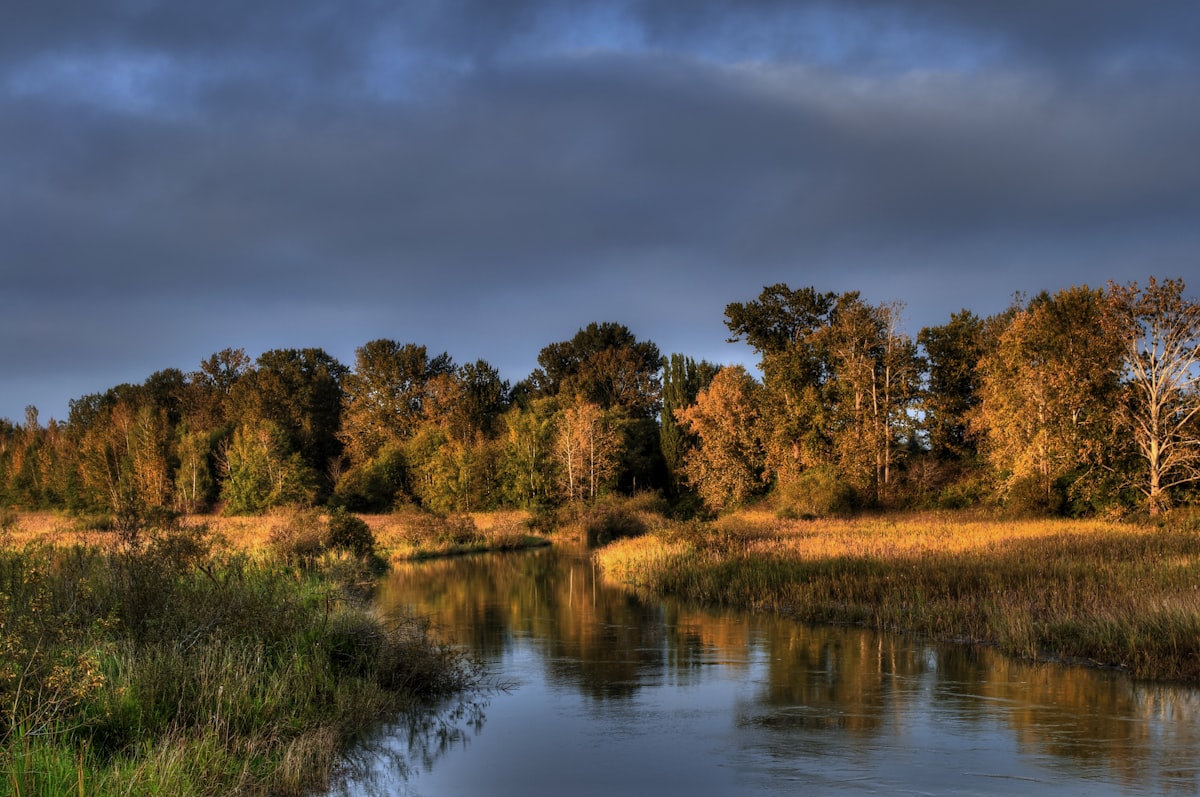
 Delta offers a lifestyle that balances suburban convenience with exceptional access to nature, anchored by Burns Bog - the largest raised peat bog and the largest undeveloped urban land mass on the West Coast of the Americas. Currently 3,500 hectares (8,600 acres) in size, the bog is habitat to more than 300 plant and animal species and 175 bird species, and serves as a major migratory stopover on the Pacific Flyway. Burns Bog was officially designated as an Ecological Conservancy Area in 2005 and received Ramsar Wetland of International Significance status in 2012. Most of the bog is closed to the public for conservation reasons, but the Delta Nature Reserve - a 148-acre (60 ha) public access area - features more than 2.5 kilometres of boardwalk maintained by the Burns Bog Conservation Society and now managed by Metro Vancouver.
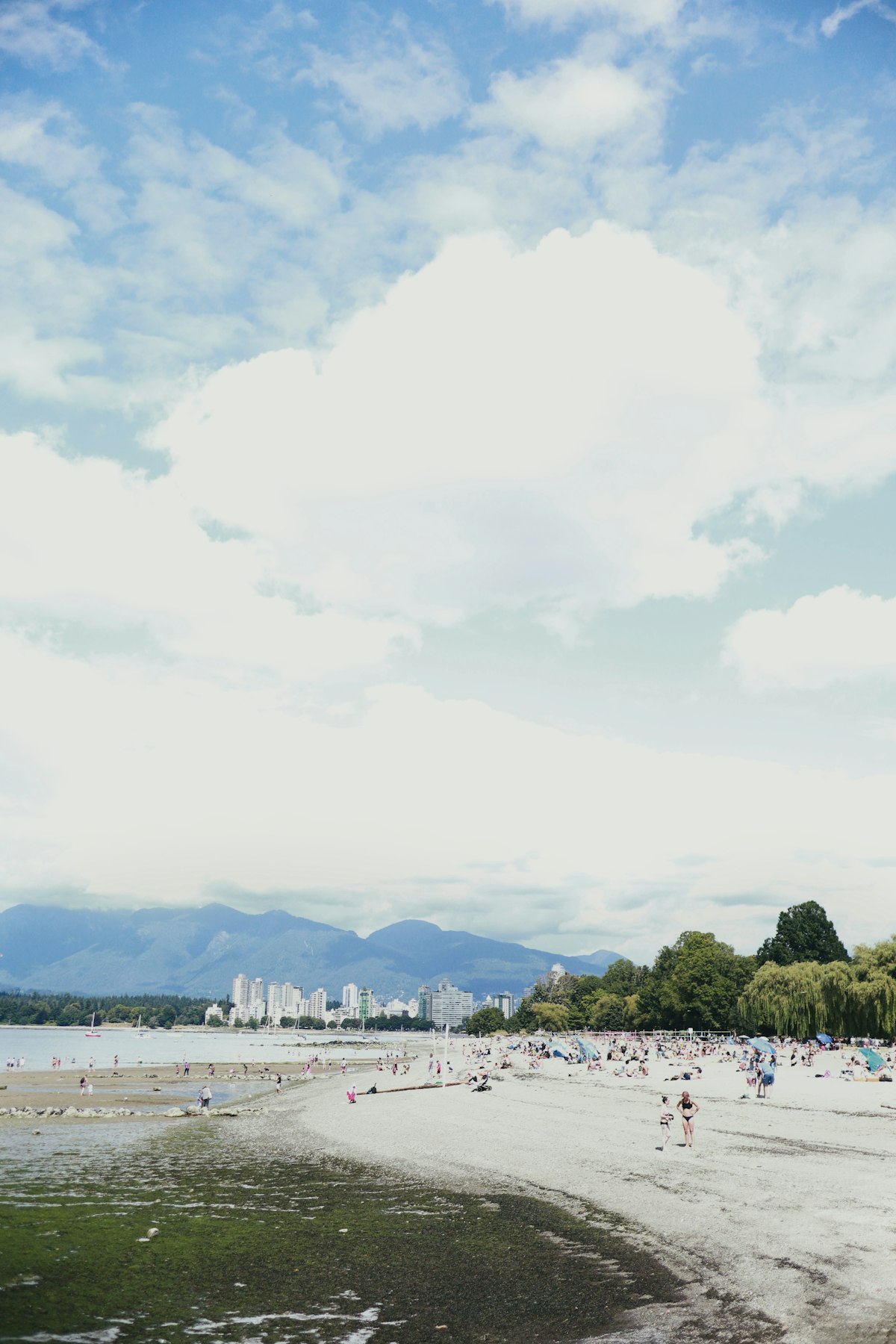
Boundary Bay and the Strait of Georgia shoreline provide year-round birdwatching and summer beach recreation, with Boundary Bay recognized as a globally significant Important Bird Area. Tsawwassen calls itself the sunniest place in Metro Vancouver, receiving nearly 40% less annual precipitation than downtown Vancouver, with a warm-summer Mediterranean climate that features some of the mildest winters in Canada.
The cultural scene centres around Ladner Village, where independent shops, cafes, and restaurants line historic streets. Tsawwassen Mills, a 1.2-million-square-foot outlet shopping centre built on Tsawwassen First Nation land and opened October 5, 2016, serves as a regional retail destination attracting 284,000 shoppers in its first six days. BC Ferries operates from the Tsawwassen terminal, providing vehicle and passenger service to Swartz Bay (Victoria), Duke Point (Nanaimo), and the Gulf Islands. The municipality maintains more than 170 parks covering over 2,400 hectares. Delta Golf Club in Sunshine Hills and Beach Grove Golf Club in Tsawwassen cater to golfers. Community sports leagues in soccer, baseball, lacrosse, and cricket operate across an extensive field network.
Delta offers a lifestyle that balances suburban convenience with exceptional access to nature, anchored by Burns Bog - the largest raised peat bog and the largest undeveloped urban land mass on the West Coast of the Americas. Currently 3,500 hectares (8,600 acres) in size, the bog is habitat to more than 300 plant and animal species and 175 bird species, and serves as a major migratory stopover on the Pacific Flyway. Burns Bog was officially designated as an Ecological Conservancy Area in 2005 and received Ramsar Wetland of International Significance status in 2012. Most of the bog is closed to the public for conservation reasons, but the Delta Nature Reserve - a 148-acre (60 ha) public access area - features more than 2.5 kilometres of boardwalk maintained by the Burns Bog Conservation Society and now managed by Metro Vancouver.
Boundary Bay and the Strait of Georgia shoreline provide year-round birdwatching and summer beach recreation, with Boundary Bay recognized as a globally significant Important Bird Area. Tsawwassen calls itself the sunniest place in Metro Vancouver, receiving nearly 40% less annual precipitation than downtown Vancouver, with a warm-summer Mediterranean climate that features some of the mildest winters in Canada.
The cultural scene centres around Ladner Village, where independent shops, cafes, and restaurants line historic streets. Tsawwassen Mills, a 1.2-million-square-foot outlet shopping centre built on Tsawwassen First Nation land and opened October 5, 2016, serves as a regional retail destination attracting 284,000 shoppers in its first six days. BC Ferries operates from the Tsawwassen terminal, providing vehicle and passenger service to Swartz Bay (Victoria), Duke Point (Nanaimo), and the Gulf Islands. The municipality maintains more than 170 parks covering over 2,400 hectares. Delta Golf Club in Sunshine Hills and Beach Grove Golf Club in Tsawwassen cater to golfers. Community sports leagues in soccer, baseball, lacrosse, and cricket operate across an extensive field network.
Getting Around
Delta's transportation network connects residents to the broader Metro Vancouver region through several major corridors. Highway 99 runs through the municipality linking to the BC Ferries Tsawwassen terminal and the US border crossing at Peace Arch. Highway 91 provides a direct route north to Richmond. The South Perimeter Road (Highway 17), completed in 2013, significantly improved commute times to Metro Vancouver and YVR International Airport. Highway 10 links Delta eastward to Surrey and Langley. The Alex Fraser Bridge is Delta's most significant transportation link to the north. The cable-stayed bridge over the Fraser River is 2,525 metres long with a main span of 465 metres and towers 154 metres tall. Opened on September 22, 1986, the bridge carries approximately 119,000 vehicles daily across seven lanes and connects North Delta to New Westminster, Richmond, Burnaby, and Vancouver. A seventh reversible lane opened in September 2019 to ease rush-hour congestion. Public transit in Delta is served by TransLink bus routes. There is no rapid transit system in Delta, though the SkyTrain system in Surrey comes within 3 km of the city's borders. The South Delta Exchange in Ladner serves as a transit hub, while North Delta is served by routes connecting to Scott Road SkyTrain Station in Surrey. TransLink also provides bus services along Highway 17 and 52nd Street, connecting Tsawwassen Mills, the ferry terminal, Ladner, and Downtown Richmond. BC Ferries operates from the Tsawwassen terminal, providing vehicle and passenger service to Swartz Bay (Victoria), Duke Point (Nanaimo), and the Gulf Islands. Boundary Bay Airport operates as a general aviation facility - Canada's seventh busiest airport by aircraft movements - supporting flying clubs, flight schools, and commercial charters.
Education
Delta Public Schools (School District 37) operates Anglophone public schools across the municipality. The district runs 26 elementary schools and 7 secondary schools serving over 16,000 students. Notable secondary schools include Delta Secondary (Ladner), South Delta Secondary (Tsawwassen), Seaquam Secondary (North Delta), North Delta Secondary, and Burnsview Secondary. The district offers French Immersion programs starting at the elementary level, with options continuing through secondary school. The Conseil scolaire francophone de la Colombie-Britannique also operates one Francophone primary school in the city. The South Delta area is particularly noted for its high-performing schools, contributing to the desirability of Tsawwassen and Ladner for families. The district also offers specialized programs including International Baccalaureate preparation, trades training, and a strong athletics program. Several independent schools also serve the community, including Sacred Heart School in Ladner, Immaculate Conception in North Delta, and Delta Christian School. Post-secondary options include Kwantlen Polytechnic University's nearby Surrey campus and Douglas College, both accessible within a 20 to 30 minute drive. The University of British Columbia is approximately 40 minutes by car. Kwantlen Polytechnic University, which has campuses in Surrey and Richmond, serves many Delta students seeking university-level studies without commuting into Vancouver.
Parks, Shopping & Amenities
Delta's amenity base spans all three communities with distinct offerings. Tsawwassen Mills, a 1.2-million-square-foot outlet shopping centre on Tsawwassen First Nation land, features 200 retailers including Bass Pro Shops and a 1,100-seat food court. TransLink connects the mall to the ferry terminal, Ladner, and Downtown Richmond. Tsawwassen Town Centre and Ladner Village Market provide additional retail. North Delta's Scottsdale Centre and Nordel Way serve everyday shopping for the eastern communities. Healthcare is centred at Delta Hospital in Ladner, a 58-bed acute-care Level V trauma centre operated by the Fraser Health Authority. The hospital provides 24/7 emergency care, diagnostic imaging, and general surgery, performing about 5,000 day surgeries per year. Approximately 34,000 patients visit the Emergency Department annually. The on-site Mountain View Manor is a 92-bed residential care facility. The hospital employs more than 580 workers and has an annual operating budget of $43.2 million. Fraser Health funds an additional $55 million in public health, mental health, home care, and hospice services across the community. Major hospital care is available at Surrey Memorial Hospital and Royal Columbian Hospital in New Westminster, both within 20 to 30 minutes. Parks and recreation are central to Delta's appeal. Key facilities include the Sungod Recreation Centre in Nordel (five pools, ice rink, gymnasium, fitness centre), the Ladner Leisure Centre, and the South Delta Recreation Centre. The Great Pacific Forum provides additional ice arena space. Delta maintains more than 170 parks covering over 2,400 hectares. The municipality also supports an active arts community through the Delta Arts Council and various gallery spaces. Boundary Bay Airport operates as a general aviation facility supporting flying clubs and flight schools.
Delta Market at a Glance
$1,205,571
Avg Price
$1,199,000
Median Price
399
Active Listings