Oshawa City Guide
Everything you need to know about living in Oshawa, ON
About Oshawa
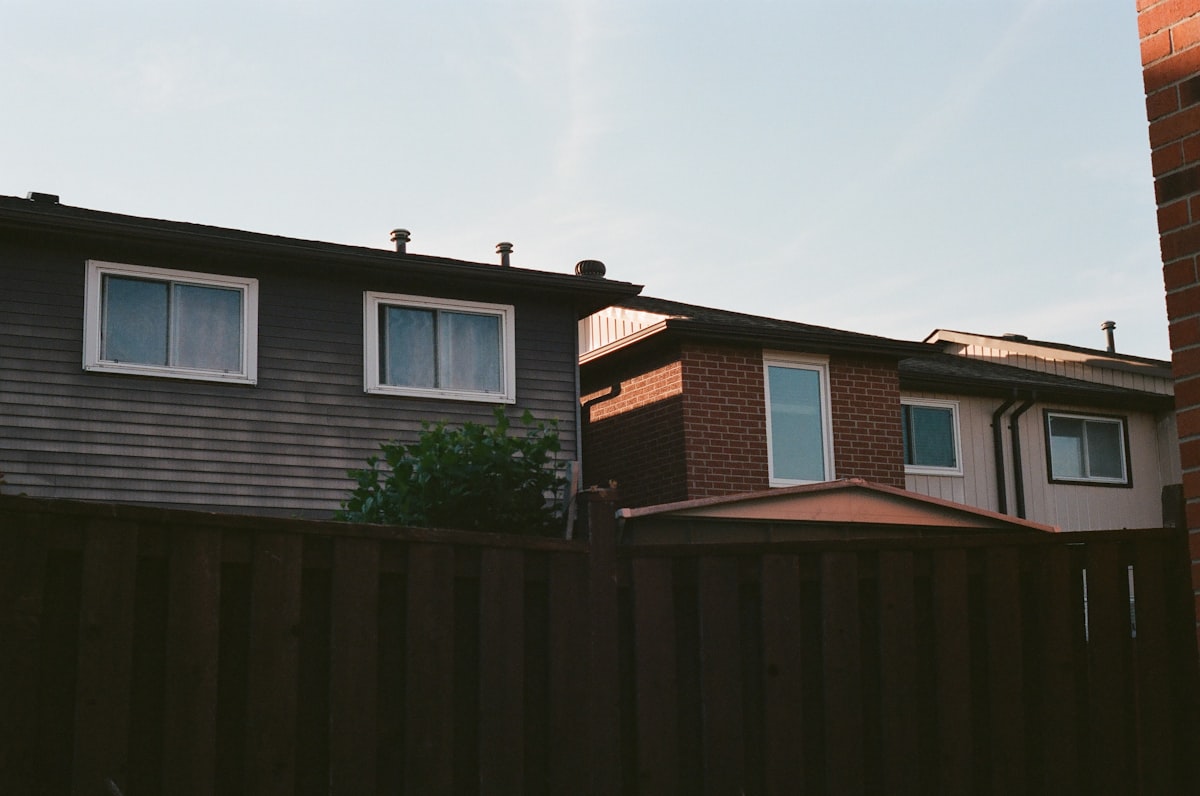 Oshawa sits on the shore of Lake Ontario approximately 60 kilometres east of Toronto, in the Durham Region of Ontario. The city has a population of approximately 159,458 (2021 Census), with the broader metro area reaching 418,000 by 2025. Historically known as the Automotive Capital of Canada, Oshawa's identity is rooted in the McLaughlin Motor Car Company, founded in 1907 by Samuel McLaughlin, which merged with Chevrolet Canada in 1918 to become General Motors of Canada. GM Canada remains headquartered at 1908 Colonel Sam Drive in Oshawa.
After GM announced the closure of its Oshawa assembly plant in November 2018, the company reversed course and announced in November 2020 that the Oshawa Car Assembly would reopen. The plant reopened November 10, 2021, producing Chevrolet Silverado pickup trucks after GM invested C$1.3 billion in retooling. Today the Oshawa Car Assembly is the only GM facility producing both light- and heavy-duty Silverado models. GM's Canadian Technical Centre Oshawa Campus is the company's second largest automotive software engineering and development cluster in North America and third in the world, with a 1.95 km advanced technology track on site.
Ontario Tech University, founded in 2002 by the Legislative Assembly of Ontario, anchors the city's post-secondary landscape. In 2021, approximately 10,100 undergraduates and 970 graduate students were enrolled, with over 25,500 alumni as of 2022. The university shares its north Oshawa campus at 2000 Simcoe Street North with Durham College, which opened in 1967 and now serves approximately 13,700 full-time students across programs in business, technology, trades, health, and media.
With a median home price of approximately $690,000 as of early 2026 and an average sold price of $712,618 in February 2026, Oshawa offers some of the most affordable housing in the Greater Toronto Area's eastern corridor. The Durham College Oshawa GO Station serves as the eastern terminus of GO Transit's Lakeshore East line, providing direct commuter rail to Toronto's Union Station.
Browse all Oshawa listings, explore our market trends analysis, discover the most expensive homes, or compare the best neighbourhoods.
Oshawa sits on the shore of Lake Ontario approximately 60 kilometres east of Toronto, in the Durham Region of Ontario. The city has a population of approximately 159,458 (2021 Census), with the broader metro area reaching 418,000 by 2025. Historically known as the Automotive Capital of Canada, Oshawa's identity is rooted in the McLaughlin Motor Car Company, founded in 1907 by Samuel McLaughlin, which merged with Chevrolet Canada in 1918 to become General Motors of Canada. GM Canada remains headquartered at 1908 Colonel Sam Drive in Oshawa.
After GM announced the closure of its Oshawa assembly plant in November 2018, the company reversed course and announced in November 2020 that the Oshawa Car Assembly would reopen. The plant reopened November 10, 2021, producing Chevrolet Silverado pickup trucks after GM invested C$1.3 billion in retooling. Today the Oshawa Car Assembly is the only GM facility producing both light- and heavy-duty Silverado models. GM's Canadian Technical Centre Oshawa Campus is the company's second largest automotive software engineering and development cluster in North America and third in the world, with a 1.95 km advanced technology track on site.
Ontario Tech University, founded in 2002 by the Legislative Assembly of Ontario, anchors the city's post-secondary landscape. In 2021, approximately 10,100 undergraduates and 970 graduate students were enrolled, with over 25,500 alumni as of 2022. The university shares its north Oshawa campus at 2000 Simcoe Street North with Durham College, which opened in 1967 and now serves approximately 13,700 full-time students across programs in business, technology, trades, health, and media.
With a median home price of approximately $690,000 as of early 2026 and an average sold price of $712,618 in February 2026, Oshawa offers some of the most affordable housing in the Greater Toronto Area's eastern corridor. The Durham College Oshawa GO Station serves as the eastern terminus of GO Transit's Lakeshore East line, providing direct commuter rail to Toronto's Union Station.
Browse all Oshawa listings, explore our market trends analysis, discover the most expensive homes, or compare the best neighbourhoods.
Top Neighbourhoods in Oshawa
Housing in Oshawa
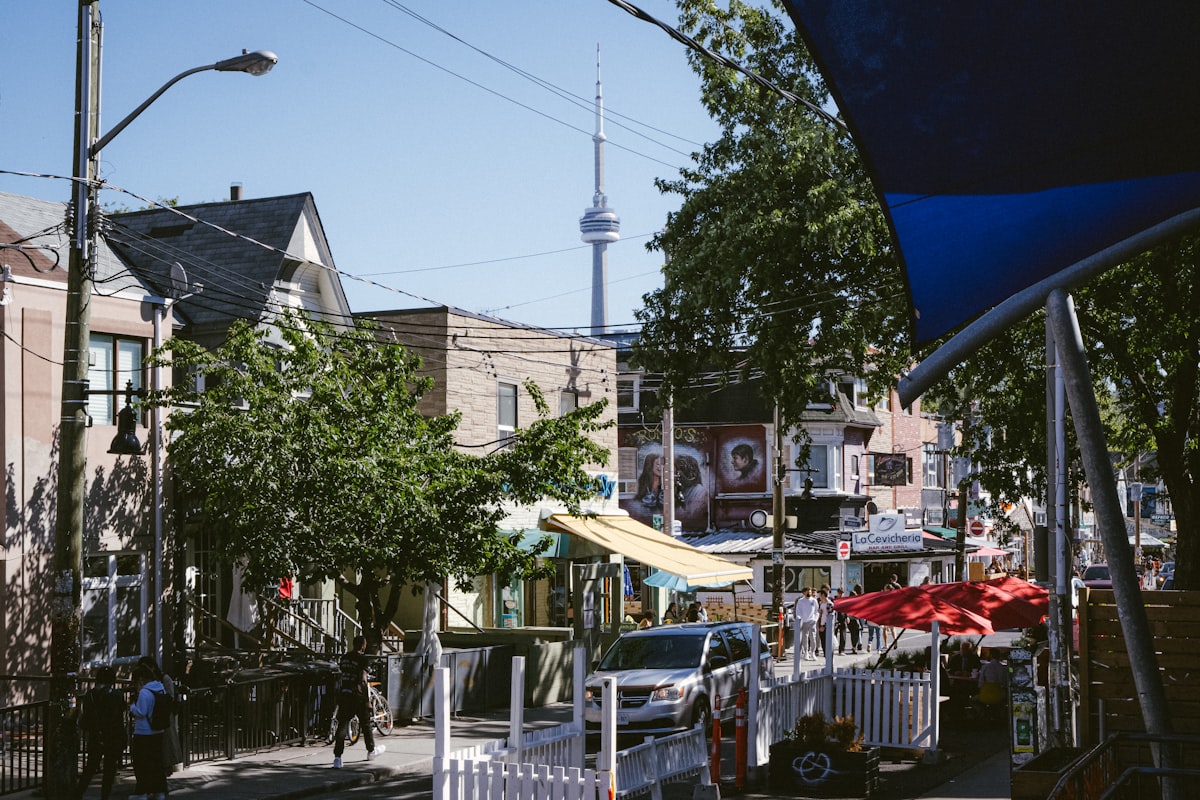 Oshawa's housing market is one of the most affordable in the Greater Toronto Area. In February 2026, the average sold price reached $712,618, the benchmark price was $734,500, and the median sold price was $690,000, based on 127 total transactions. Year-over-year, average prices declined 7.4%, reflecting broader GTA market softening. Detached homes dominate transaction volume, accounting for 68% of February 2026 sales, with an average price of $778,655.
Property type breakdown for February 2026: detached homes averaged $778,655 across 87 transactions (-9.3% year-over-year); semi-detached homes averaged $608,500 across 14 transactions (-12.8% annual); townhouses averaged $607,278 across 9 transactions (-20.6% annual); condo townhouses averaged $566,400 across 11 transactions (-3.9% annual); apartments averaged $377,700 across 5 transactions (+1.2% annual, the only type showing annual gains).
The housing stock ranges from post-war bungalows and mid-century homes in established central neighbourhoods to modern detached homes and townhouses in newer north-end developments like Windfields. The south end near Lake Ontario features older character homes and newer infill. The north end has seen the most recent development, with subdivisions of modern detached homes near the Ontario Tech University and Durham College campus at 2000 Simcoe Street North. Investment buyers are active in the market targeting student rental demand generated by approximately 13,700 Durham College students and over 10,000 Ontario Tech students. The median household income of $63,136 sits below the national median, influencing price sensitivity in the local market.
For current pricing data and trends, see our market trends analysis.
Oshawa's housing market is one of the most affordable in the Greater Toronto Area. In February 2026, the average sold price reached $712,618, the benchmark price was $734,500, and the median sold price was $690,000, based on 127 total transactions. Year-over-year, average prices declined 7.4%, reflecting broader GTA market softening. Detached homes dominate transaction volume, accounting for 68% of February 2026 sales, with an average price of $778,655.
Property type breakdown for February 2026: detached homes averaged $778,655 across 87 transactions (-9.3% year-over-year); semi-detached homes averaged $608,500 across 14 transactions (-12.8% annual); townhouses averaged $607,278 across 9 transactions (-20.6% annual); condo townhouses averaged $566,400 across 11 transactions (-3.9% annual); apartments averaged $377,700 across 5 transactions (+1.2% annual, the only type showing annual gains).
The housing stock ranges from post-war bungalows and mid-century homes in established central neighbourhoods to modern detached homes and townhouses in newer north-end developments like Windfields. The south end near Lake Ontario features older character homes and newer infill. The north end has seen the most recent development, with subdivisions of modern detached homes near the Ontario Tech University and Durham College campus at 2000 Simcoe Street North. Investment buyers are active in the market targeting student rental demand generated by approximately 13,700 Durham College students and over 10,000 Ontario Tech students. The median household income of $63,136 sits below the national median, influencing price sensitivity in the local market.
For current pricing data and trends, see our market trends analysis.
Lifestyle & Culture
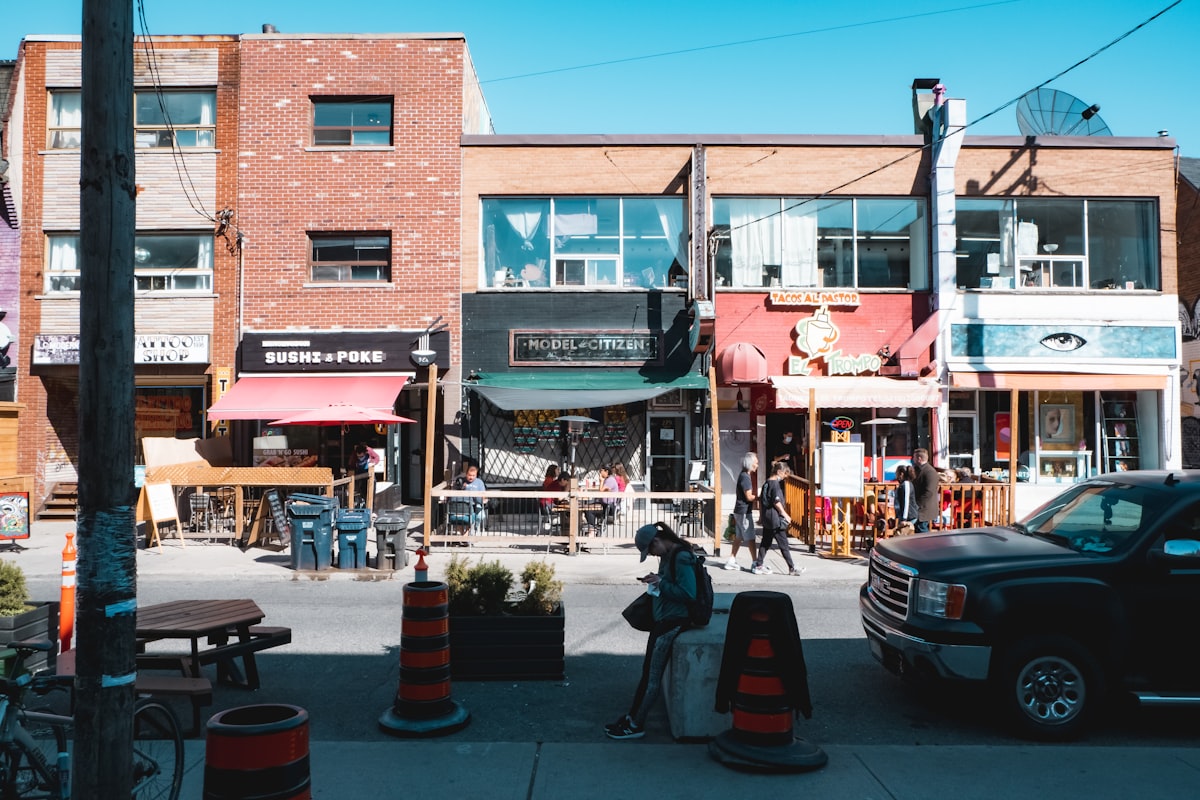 Oshawa's lifestyle centres on its Lake Ontario waterfront, a robust park system, and an automotive heritage that continues to shape the city's culture. Lakeview Park stretches along the lakefront with a sandy beach, the Oshawa Museum, and waterfront trails connecting to the regional Waterfront Trail. The city maintains 410 hectares of parkland with 27 kilometres of paved trails through conservation areas and residential neighbourhoods.
Downtown Oshawa is experiencing a revival anchored by the Tribute Communities Centre, a C$45 million multi-purpose arena that opened in November 2006 at 99 Athol Street East. Owned by the City of Oshawa, the arena seats 5,180 for hockey (6,125 with standing room) and 3,200 to 7,300 for concerts. Its main tenant is the Oshawa Generals of the Ontario Hockey League; beginning in 2026, the Oshawa FireWolves of the National Lacrosse League will also play home games there. The arena hosted weightlifting and boxing at the 2015 Pan American Games.
Cultural life is anchored by the Robert McLaughlin Gallery, the largest public art gallery in the Regional Municipality of Durham. Established in 1967 in a building designed by Canadian architect Arthur Erickson, the gallery holds a permanent collection of over 4,500 works and the largest collection of works by Painters Eleven in Canada, a group that originated in Oshawa. Events like the Kars on King classic car show celebrate the city's automotive heritage, while Oshawa Music Week and the Peony Festival add cultural programming through the year. The city's proximity to the Kawartha Lakes region and Port Perry provides weekend getaway options within a short drive.
Oshawa's lifestyle centres on its Lake Ontario waterfront, a robust park system, and an automotive heritage that continues to shape the city's culture. Lakeview Park stretches along the lakefront with a sandy beach, the Oshawa Museum, and waterfront trails connecting to the regional Waterfront Trail. The city maintains 410 hectares of parkland with 27 kilometres of paved trails through conservation areas and residential neighbourhoods.
Downtown Oshawa is experiencing a revival anchored by the Tribute Communities Centre, a C$45 million multi-purpose arena that opened in November 2006 at 99 Athol Street East. Owned by the City of Oshawa, the arena seats 5,180 for hockey (6,125 with standing room) and 3,200 to 7,300 for concerts. Its main tenant is the Oshawa Generals of the Ontario Hockey League; beginning in 2026, the Oshawa FireWolves of the National Lacrosse League will also play home games there. The arena hosted weightlifting and boxing at the 2015 Pan American Games.
Cultural life is anchored by the Robert McLaughlin Gallery, the largest public art gallery in the Regional Municipality of Durham. Established in 1967 in a building designed by Canadian architect Arthur Erickson, the gallery holds a permanent collection of over 4,500 works and the largest collection of works by Painters Eleven in Canada, a group that originated in Oshawa. Events like the Kars on King classic car show celebrate the city's automotive heritage, while Oshawa Music Week and the Peony Festival add cultural programming through the year. The city's proximity to the Kawartha Lakes region and Port Perry provides weekend getaway options within a short drive.
Getting Around
The Durham College Oshawa GO Station at 915 Bloor Street West serves as the eastern terminus of GO Transit's Lakeshore East commuter rail line, providing direct service to Toronto's Union Station. The station recorded approximately 971,700 GO Transit passengers from April to December 2019. A C$14 million modernization completed November 24, 2017 upgraded ticketing, the waiting area, and added a pedestrian bridge for cyclists and pedestrians. The station offers 2,260 parking spaces and 341 bus bays. Via Rail also serves the station with intercity trains on Corridor routes between Toronto and Montreal or Ottawa. In October 2022, Oshawa GO became the first Metrolinx station to enter a naming partnership when Durham College acquired rights under a 10-year agreement. Planned future expansion of the Lakeshore East line toward Bowmanville will add new stations in Oshawa via a GO spur branch connecting to the CPKC Belleville Subdivision corridor. Durham Region Transit operates local bus routes throughout Oshawa and connects to neighbouring municipalities including Whitby, Ajax, Pickering, Courtice, and Clarington. Key routes from the GO Station include Route 403 to Oshawa Centre Terminal and Route 421 to Courtice. DRT tickets and passes are accepted on GO buses operating within Durham Region, allowing free transfers. Highway 401 runs through the city providing east-west highway access, while Highway 407 East toll route offers an alternative toward Toronto. Highway 2 (King Street) serves as the main east-west arterial through the city centre.
Education
Oshawa is served by the Durham District School Board and the Durham Catholic District School Board, providing a range of elementary and secondary schools with French immersion, specialized arts programs, and alternative education options. Ontario Tech University anchors the city's post-secondary landscape as a public research university founded in 2002. In 2021, approximately 10,100 undergraduates and 970 graduate students were enrolled, with over 25,500 alumni as of 2022. The university emphasizes science and technology across faculties including Engineering and Applied Science, Business and Information Technology, Science, and Health Science. The Automotive Centre of Excellence (ACE), opened in 2011 in partnership with GM Canada, provides advanced testing facilities including automotive software development and hardware integration. The Clean Energy Research Laboratory opened in 2010, and the Software and Informatics Research Centre opened in 2017. Durham College shares the north Oshawa campus and facilities - including the Campus Library, the 73,000-square-foot space with four floors of learning, and the Campus Recreation and Wellness Centre - with Ontario Tech University. Founded in 1967 with 14 staff and 205 students, Durham College now serves approximately 13,700 full-time students (10,682 FTEs in 2025) across over 145 academic programs including six bachelor degrees and eleven apprenticeship programs. The college was selected as one of Toronto's top employers in 2025. Together the two institutions bring over 20,000 students to the north Oshawa campus, generating significant economic activity and housing demand.
Parks, Shopping & Amenities
Oshawa's primary civic venue is the Tribute Communities Centre, a 5,180-seat arena at 99 Athol Street East owned by the City of Oshawa, hosting Oshawa Generals OHL hockey, Oshawa FireWolves NLL lacrosse (from 2026), concerts, events, and trade shows. The arena features the Oshawa Sports Hall of Fame and hosted 2015 Pan American Games events. The Oshawa Centre at 419 King Street West is the largest mall in Durham Region and the largest in Ontario east of Toronto, with over 230 retail stores across 1,219,962 square feet. Opened as a plaza in 1956 and enclosed in 1968, the mall underwent a C$230 million renovation and expansion completed in 2016, adding 60 stores and a 1,000-seat food court. It is owned and managed by Primaris REIT and includes a Durham Region Transit bus terminal providing connections to Oshawa GO Station, Whitby GO Station, and the Durham College campus. The Robert McLaughlin Gallery at 43°53'43"N holds over 4,500 works in a building designed by architect Arthur Erickson, representing the largest public art gallery in the Regional Municipality of Durham. Lakeridge Health Oshawa serves as the primary hospital, operating as part of a network that includes four acute hospitals with emergency departments across Durham Region, organized into eight clinical programs including Regional Cancer Services and Regional Nephrology. The Oshawa Public Library system operates several branches. Community parks throughout the city provide playgrounds, sports fields, and splash pads, with 410 hectares of parkland and 27 kilometres of paved trails across the city.
Oshawa Market at a Glance
$313,673
Avg Price
$3,200
Median Price
787
Active Listings