Vancouver City Guide
Everything you need to know about living in Vancouver, BC
About Vancouver
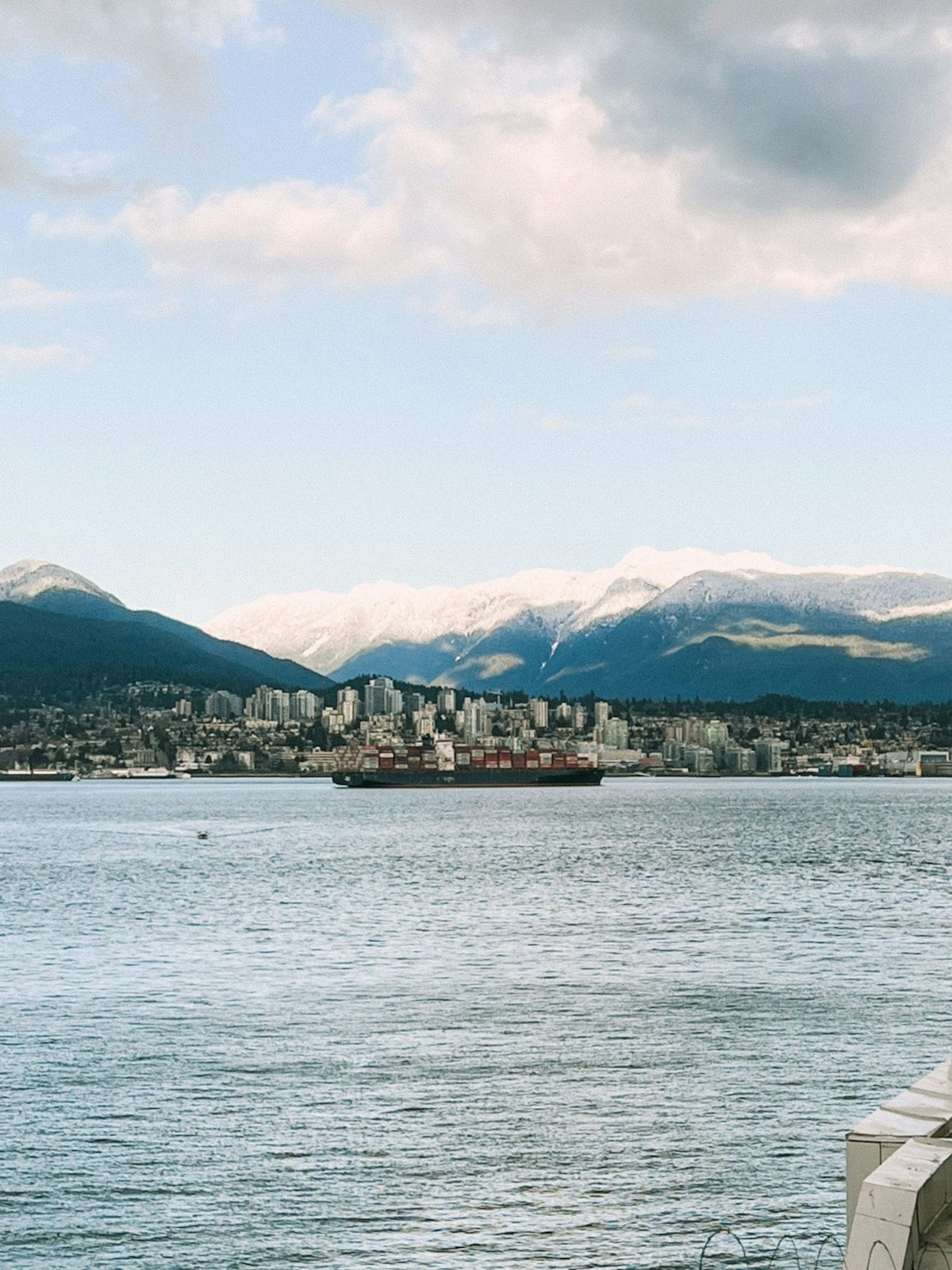 Vancouver is one of the most livable and most expensive cities in Canada, set against the Pacific Ocean, Coast Mountains, and temperate rainforest. The city proper has a population of approximately 662,000 within a metro area of 2.7 million, making it Canada's third-largest metropolitan region.
The average home price across all property types was $1,206,180 in early 2026, down 1.5% annually, with the benchmark price at $1,100,300 representing a 6.8% yearly decrease. Active listings reached 13,545, up 6.3% annually, and the sales-to-active listings ratio was 12.2%, with 8 months of supply indicating a buyers market. Vancouver benchmark prices are up 19.2% over 10 years but currently 12.2% below the April 2022 peak of $1,252,800.
The city is one of the most multicultural in the world. More than half of the 50 most expensive properties in British Columbia are either in Point Grey or on Point Grey Road extending along the ocean in Kitsilano. Average home price in Vancouver is $1,175,000 with median household income approximately $81,000, making homes approximately 14.5 times household income - considerably less affordable than Calgary (5.8x) or Montreal (7.6x).
Explore all Vancouver homes for sale, or dive deeper with our Vancouver market trends, most expensive homes, and best neighbourhoods guides.
Vancouver is one of the most livable and most expensive cities in Canada, set against the Pacific Ocean, Coast Mountains, and temperate rainforest. The city proper has a population of approximately 662,000 within a metro area of 2.7 million, making it Canada's third-largest metropolitan region.
The average home price across all property types was $1,206,180 in early 2026, down 1.5% annually, with the benchmark price at $1,100,300 representing a 6.8% yearly decrease. Active listings reached 13,545, up 6.3% annually, and the sales-to-active listings ratio was 12.2%, with 8 months of supply indicating a buyers market. Vancouver benchmark prices are up 19.2% over 10 years but currently 12.2% below the April 2022 peak of $1,252,800.
The city is one of the most multicultural in the world. More than half of the 50 most expensive properties in British Columbia are either in Point Grey or on Point Grey Road extending along the ocean in Kitsilano. Average home price in Vancouver is $1,175,000 with median household income approximately $81,000, making homes approximately 14.5 times household income - considerably less affordable than Calgary (5.8x) or Montreal (7.6x).
Explore all Vancouver homes for sale, or dive deeper with our Vancouver market trends, most expensive homes, and best neighbourhoods guides.
Top Neighbourhoods in Vancouver
Marpole
- Avg Price
- $1,436,750
- For Sale
- 81
- Sold/mo
- 4
Kitsilano
- Avg Price
- $3,227,000
- For Sale
- 42
- Sold/mo
- 2
Olympic Village
- Avg Price
- $2,273,500
- For Sale
- 10
- Sold/mo
- 2
Kensington-Cedar Cottage
- Avg Price
- $1,598,500
- For Sale
- 38
- Sold/mo
- 2
Fairview
- Avg Price
- $579,000
- For Sale
- 28
- Sold/mo
- 1
Renfrew-Collingwood
- Avg Price
- $1,199,000
- For Sale
- 61
- Sold/mo
- 1
Grandview-Woodland
- Avg Price
- $539,900
- For Sale
- 42
- Sold/mo
- 1
Yaletown
- Avg Price
- $1,048,000
- For Sale
- 56
- Sold/mo
- 1
Dunbar-Southlands
- Avg Price
- $2,899,999
- For Sale
- 29
- Sold/mo
- 1
Kerrisdale
- Avg Price
- $4,080,000
- For Sale
- 38
- Sold/mo
- 1
Oakridge
- Avg Price
- $3,480,000
- For Sale
- 44
- Sold/mo
- 1
Housing in Vancouver
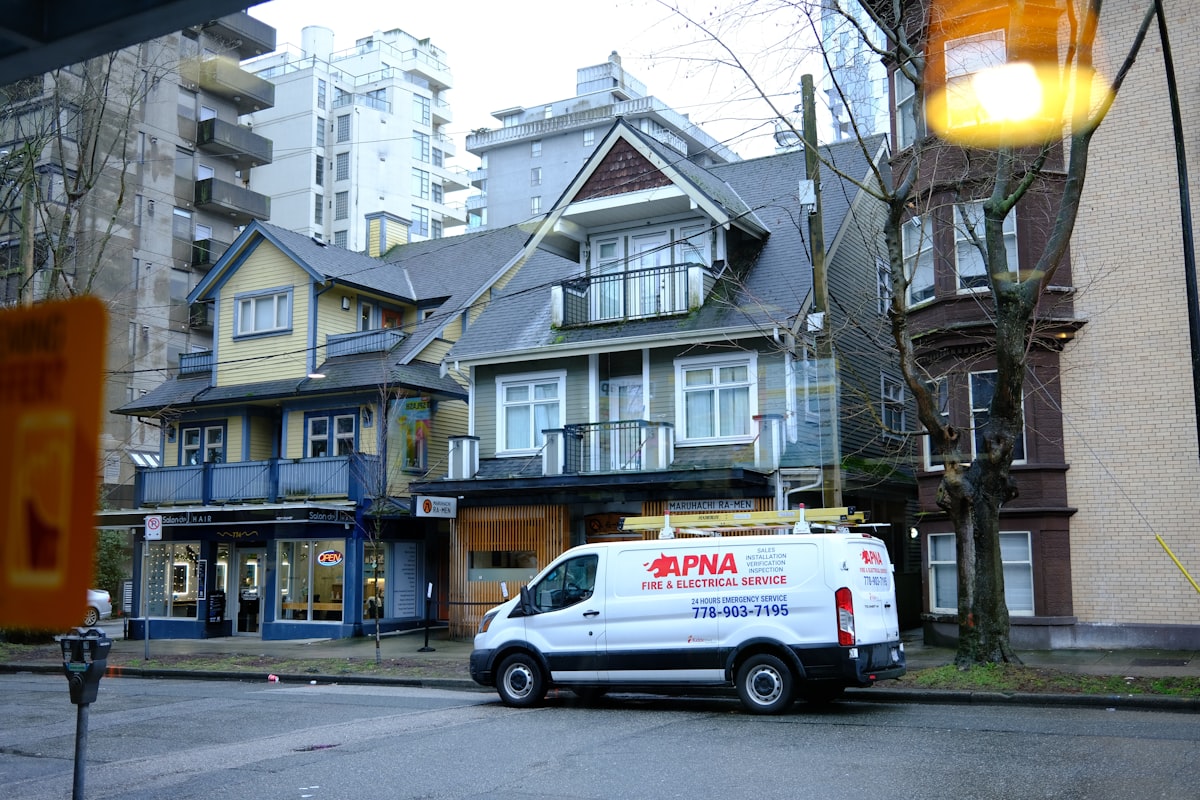 Detached homes averaged $2,122,572, up 2.7% monthly but down 0.1% annually. Attached homes averaged $1,184,502, down 7.2% monthly and 3.8% annually. Condo apartments averaged $739,258, up 2.0% monthly but down 5.8% annually. The detached benchmark price was $1,835,900, down 8.8% year-over-year. The attached benchmark was $1,046,100, down 5.6% year-over-year. The condo benchmark was $708,200, down 6.8% year-over-year.
Vancouver most expensive neighbourhoods include Shaughnessy (cost index 214, 58% above Vancouver average), Mackenzie Heights (index 198, 46% above), and Kerrisdale (index 185, 36% above). Shaughnessy is an estate district with stately early-20th-century mansions on large lots - homes here rarely come to market below $4 million. Point Grey is a prestigious neighbourhood with ocean views and homes ranging from $3 million to $12 million. The five most expensive residential properties in BC for 2026 include 3085 Point Grey Road valued at $73,457,000 and 4707 Belmont Avenue at $68,878,000.
More affordable options are found on the east side. Renfrew-Collingwood is a top choice for homebuyers with condos and townhomes starting around $500,000 and homes averaging $1.2M. Hastings-Sunrise average home price is $1,310,000, with entry-level condos starting around $499,000. Marpole offers detached homes in the $1.2M to $1.5M range. East Van neighbourhoods offer condos in the $550,000 to $750,000 range compared to $750,000 to $1,000,000 in the west side.
The market has shifted from a sellers market to a buyers advantage. Over 80% of Metro Vancouver homes sold below asking price in 2025. The market is classified as Moderate Risk with bubble risk due to prices appearing disconnected from local income levels.
For detailed market data and pricing trends, see our Vancouver market trends analysis. Browse all Vancouver listings to see what is currently available.
Detached homes averaged $2,122,572, up 2.7% monthly but down 0.1% annually. Attached homes averaged $1,184,502, down 7.2% monthly and 3.8% annually. Condo apartments averaged $739,258, up 2.0% monthly but down 5.8% annually. The detached benchmark price was $1,835,900, down 8.8% year-over-year. The attached benchmark was $1,046,100, down 5.6% year-over-year. The condo benchmark was $708,200, down 6.8% year-over-year.
Vancouver most expensive neighbourhoods include Shaughnessy (cost index 214, 58% above Vancouver average), Mackenzie Heights (index 198, 46% above), and Kerrisdale (index 185, 36% above). Shaughnessy is an estate district with stately early-20th-century mansions on large lots - homes here rarely come to market below $4 million. Point Grey is a prestigious neighbourhood with ocean views and homes ranging from $3 million to $12 million. The five most expensive residential properties in BC for 2026 include 3085 Point Grey Road valued at $73,457,000 and 4707 Belmont Avenue at $68,878,000.
More affordable options are found on the east side. Renfrew-Collingwood is a top choice for homebuyers with condos and townhomes starting around $500,000 and homes averaging $1.2M. Hastings-Sunrise average home price is $1,310,000, with entry-level condos starting around $499,000. Marpole offers detached homes in the $1.2M to $1.5M range. East Van neighbourhoods offer condos in the $550,000 to $750,000 range compared to $750,000 to $1,000,000 in the west side.
The market has shifted from a sellers market to a buyers advantage. Over 80% of Metro Vancouver homes sold below asking price in 2025. The market is classified as Moderate Risk with bubble risk due to prices appearing disconnected from local income levels.
For detailed market data and pricing trends, see our Vancouver market trends analysis. Browse all Vancouver listings to see what is currently available.
Review current pricing data in our Vancouver Real Estate Market Trends (2026).
Lifestyle & Culture
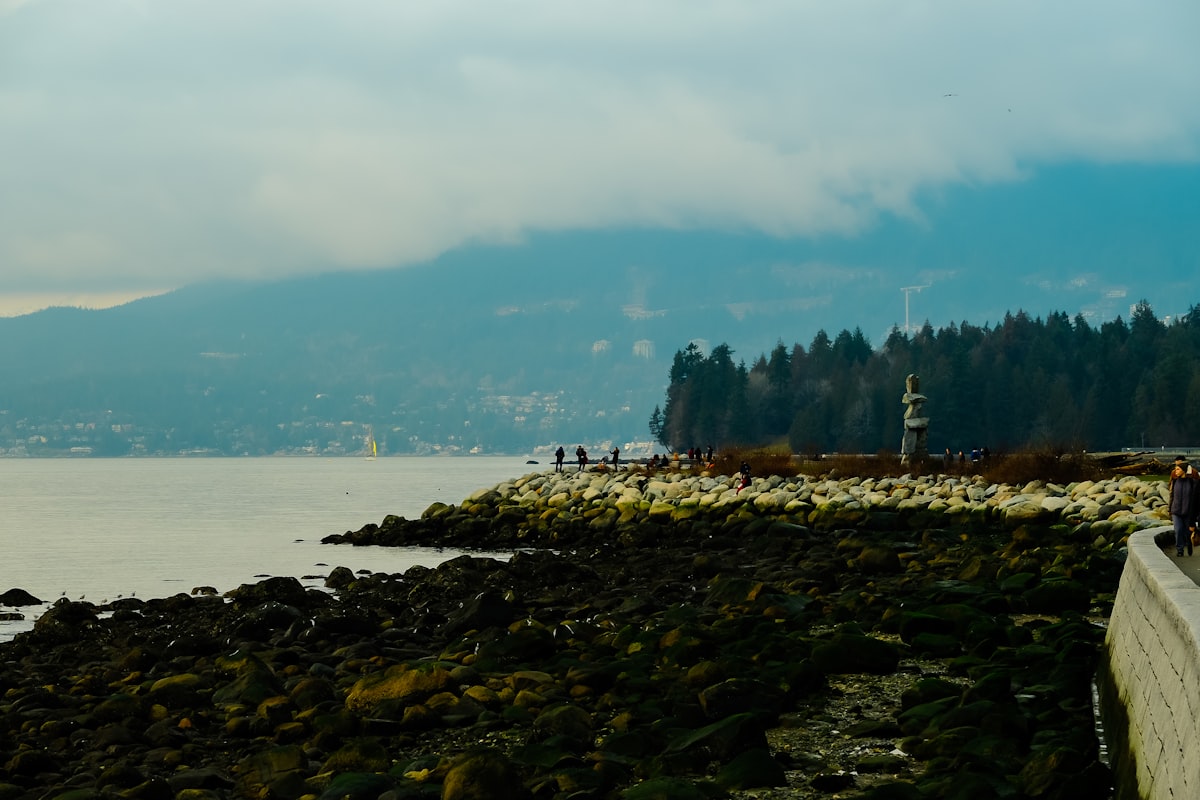 Vancouver's lifestyle centres on the outdoors. The 28-kilometre Seawall connects Stanley Park, False Creek, and Kitsilano Beach. Grouse Mountain, Cypress Mountain, and Mount Seymour ski areas are a 30-minute drive from downtown. Stanley Park, a 400-hectare temperate rainforest peninsula, is consistently ranked among the world's best urban parks.
The food scene is driven by the city's multicultural population and proximity to Pacific seafood. Granville Island is a unique cultural and commercial hub housing the Public Market, artisan studios, and theatres. The restaurant strips along Main Street, Commercial Drive, and Robson Street offer global cuisines.
High-demand rental neighbourhoods include Downtown Vancouver, Yaletown, Coal Harbour, Kitsilano, Olympic Village, Mount Pleasant, and East Vancouver. The FIFA 2026 World Cup is expected to create a surge in furnished rental demand during event months from international visitors and media teams.
Monthly living costs in Vancouver range from $1,727 CAD at the low end to $5,684 CAD at the high end depending on lifestyle. A family of four has estimated monthly costs of $5,485 CAD excluding rent. Food prices in Canada increased by four to six per cent in 2026, with the average family of four spending $17,571 on food annually. The BC Ministry of Housing capped the annual rent increase at 2.3 per cent in 2026, down from three per cent in 2025.
Vancouver's lifestyle centres on the outdoors. The 28-kilometre Seawall connects Stanley Park, False Creek, and Kitsilano Beach. Grouse Mountain, Cypress Mountain, and Mount Seymour ski areas are a 30-minute drive from downtown. Stanley Park, a 400-hectare temperate rainforest peninsula, is consistently ranked among the world's best urban parks.
The food scene is driven by the city's multicultural population and proximity to Pacific seafood. Granville Island is a unique cultural and commercial hub housing the Public Market, artisan studios, and theatres. The restaurant strips along Main Street, Commercial Drive, and Robson Street offer global cuisines.
High-demand rental neighbourhoods include Downtown Vancouver, Yaletown, Coal Harbour, Kitsilano, Olympic Village, Mount Pleasant, and East Vancouver. The FIFA 2026 World Cup is expected to create a surge in furnished rental demand during event months from international visitors and media teams.
Monthly living costs in Vancouver range from $1,727 CAD at the low end to $5,684 CAD at the high end depending on lifestyle. A family of four has estimated monthly costs of $5,485 CAD excluding rent. Food prices in Canada increased by four to six per cent in 2026, with the average family of four spending $17,571 on food annually. The BC Ministry of Housing capped the annual rent increase at 2.3 per cent in 2026, down from three per cent in 2025.
Getting Around
Vancouver is served by TransLink's integrated transit network, anchored by the SkyTrain automated rapid transit system. Three lines - Expo, Millennium, and Canada Line - connect the city to Burnaby, New Westminster, Surrey, Richmond, and the airport. The upcoming Broadway Subway extension (opening 2027) will add 5.7 km and 6 underground stations from VCC-Clark to Arbutus, with a planned future extension to UBC. Transit fares in Metro Vancouver jumped another five per cent in 2026. A one-way transit ticket costs $3.50 CAD, and a monthly pass $114.40 CAD. The Canada Line connects Vancouver International Airport to downtown in 26 minutes. The city is exceptionally bikeable, with a network of separated bike lanes connecting most neighbourhoods. Car-share services (Evo, Modo) are widely available, and Vancouver has one of the lowest car-ownership rates among North American cities. Gasoline costs $1.64 per litre. Taxi start fare is $4.00, with $2.28 per km. BC Ferries connects Tsawwassen to Vancouver Island and the Gulf Islands. Highway 1 (Trans-Canada) runs through the city's east side, while Highway 99 connects to the US border. Basic monthly utilities for an 85 square metre apartment cost $118.67, and broadband internet costs $69.71 per month.
Education
The University of British Columbia (UBC) is a global top-40 university located on the western tip of the Vancouver peninsula. Simon Fraser University (SFU) operates campuses at Burnaby Mountain, downtown Vancouver, and Surrey. The British Columbia Institute of Technology (BCIT), Emily Carr University of Art and Design, and Langara College round out the post-secondary landscape. The Vancouver School Board operates 74 elementary schools and 18 secondary schools. French immersion, Mandarin bilingual, and IB programs are available. Private school options include St. George's School, York House School, Crofton House School, and West Point Grey Academy. International primary school costs $29,902.50 per year. Preschool or kindergarten costs $1,633.72 per month. The city's research corridor along Broadway supports a significant biotech and health sciences sector, with Vancouver General Hospital and BC Children's Hospital as anchor institutions. First-time home buyers in BC have access to multiple programs. The First Home Savings Account (FHSA) allows tax-deductible contributions up to $8,000 per year with a $40,000 lifetime cap, and tax-free withdrawals for a qualifying first home purchase. The Home Buyers Plan (HBP) allows withdrawals of up to $60,000 from an RRSP, or up to $120,000 combined with a partner, with a 15-year repayment period. The BC Property Transfer Tax exemption for first-time home buyers provides savings up to $8,000 on homes under $835,000.
Parks, Shopping & Amenities
Vancouver's community centres are a cornerstone of neighbourhood life, with 24 centres operated by the Park Board. Notable facilities include the Hillcrest Centre (built for the 2010 Olympics), Kitsilano Pool (Canada's longest saltwater pool), and the Vancouver Aquatic Centre. Rental prices in the city centre average $2,658 CAD for a one-bedroom apartment, while outside the centre they are $2,230. Unfurnished one-bedroom apartments rent for $2,600 to $3,100 per month, and two-bedroom apartments $3,400 to $4,300. The Vancouver market remains tight, with low vacancy rates expected to remain below 1.5 percent through 2026. Average monthly rent in Vancouver is CA$2,775 overall, while nearby Surrey averages CA$1,888. CAP rates in Greater Vancouver run from 1.5% to 4% on residential property. The portfolio CAP Rate on average is 2.22%. Vancouver real estate has delivered extraordinary long-term returns - the overall benchmark has increased 215% since 2005. Gross rental yields typically range from 3-5% in Vancouver proper, with slightly higher yields in suburban areas. After expenses, net yields are often 1-3%. Health care is served by Vancouver General Hospital, St. Paul's Hospital, BC Children's Hospital, and UBC Hospital. Granville Island houses the Public Market, artisan studios, and the Arts Club Theatre Company. Shopping ranges from luxury retail on Robson Street and Alberni Street to independent boutiques on Main Street, Commercial Drive, and West 4th Avenue.
Vancouver Real Estate Articles
View All →Vancouver Real Estate Market Trends (2026)
Current market data, price trends, and outlook for Vancouver real estate in 2026 - price correction, improved buyer conditions, and Broadway Subway impact.
First-Time Home Buyer Guide to Vancouver (2026)
A complete guide to federal and BC provincial programs that help first-time buyers enter Vancouver's expensive housing market in 2026, including FHSA, HBP, PTT exemptions, and realistic condo strategies.
How Much House Can You Afford in Vancouver in 2026?
Detailed mortgage and affordability analysis for Vancouver in 2026 - income requirements, stress test impact, down payment tiers, monthly payment breakdowns, and strategies to improve your buying power.
Is Vancouver a Good Place to Invest in Real Estate in 2026?
An honest assessment of Vancouver real estate as an investment in 2026 - covering rental yields, vacancy rates, speculation taxes, foreign buyer restrictions, and long-term appreciation potential.
Vancouver Market at a Glance
$1,447,639
Avg Price
$1,299,000
Median Price
3,659
Active Listings