Niagara Falls City Guide
Everything you need to know about living in Niagara Falls, ON
About Niagara Falls
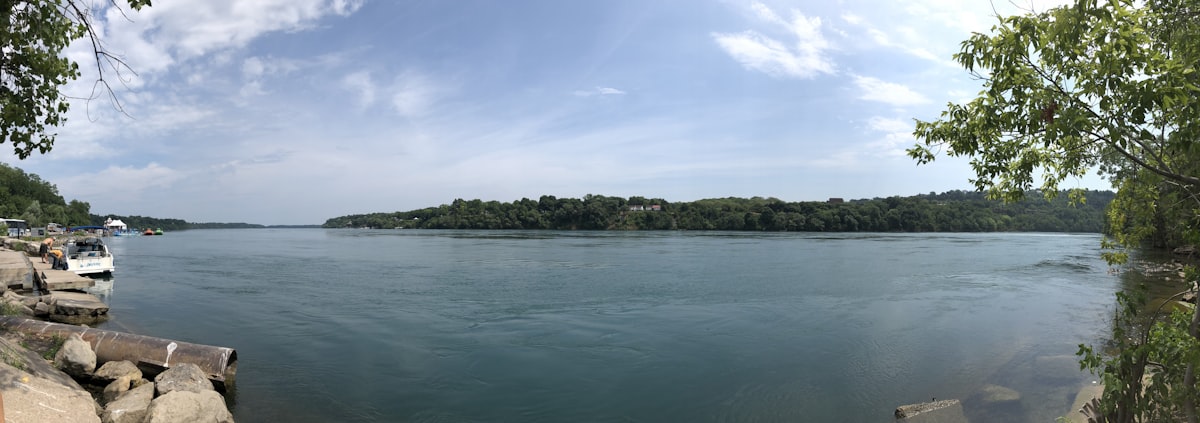 Niagara Falls is a city of 98,274 residents (2021 Census) in the Regional Municipality of Niagara, situated on the western bank of the Niagara River across from Niagara Falls, New York. It is the largest city in the Niagara Region and home to the world-famous Horseshoe Falls - the largest of the three waterfalls that collectively form Niagara Falls.
The local economy is driven by a $3 billion tourism industry that supports over 40,000 jobs across accommodation, food services, arts, culture, recreation, and entertainment. The region attracts more than 13 million tourists each year, with tourism spending exceeding $2 billion annually. Accommodation and food services employ approximately 14% of the Niagara Falls workforce, healthcare and social assistance 12%, and retail trade 12%. The Fallsview Casino Resort, operated by Mohegan Gaming and Entertainment under an exclusive agreement valid until 2040, is the largest gaming resort in Canada and opened June 10, 2004.
Housing in Niagara Falls remains significantly more affordable than the Greater Toronto Area. The average residential sale price across the Niagara region was $668,349 in 2025, down modestly 3.4% from 2024. The market has transitioned toward balanced-to-buyers conditions, with 2,413 active listings and an average of 56 days on market as of late 2025. Average prices are forecast to rise approximately 2% going into 2026, with sales expected to increase by 4%.
Browse all Niagara Falls listings, explore our market trends analysis, discover the most expensive homes, or compare the best neighbourhoods.
Niagara Falls is a city of 98,274 residents (2021 Census) in the Regional Municipality of Niagara, situated on the western bank of the Niagara River across from Niagara Falls, New York. It is the largest city in the Niagara Region and home to the world-famous Horseshoe Falls - the largest of the three waterfalls that collectively form Niagara Falls.
The local economy is driven by a $3 billion tourism industry that supports over 40,000 jobs across accommodation, food services, arts, culture, recreation, and entertainment. The region attracts more than 13 million tourists each year, with tourism spending exceeding $2 billion annually. Accommodation and food services employ approximately 14% of the Niagara Falls workforce, healthcare and social assistance 12%, and retail trade 12%. The Fallsview Casino Resort, operated by Mohegan Gaming and Entertainment under an exclusive agreement valid until 2040, is the largest gaming resort in Canada and opened June 10, 2004.
Housing in Niagara Falls remains significantly more affordable than the Greater Toronto Area. The average residential sale price across the Niagara region was $668,349 in 2025, down modestly 3.4% from 2024. The market has transitioned toward balanced-to-buyers conditions, with 2,413 active listings and an average of 56 days on market as of late 2025. Average prices are forecast to rise approximately 2% going into 2026, with sales expected to increase by 4%.
Browse all Niagara Falls listings, explore our market trends analysis, discover the most expensive homes, or compare the best neighbourhoods.
Top Neighbourhoods in Niagara Falls
Housing in Niagara Falls
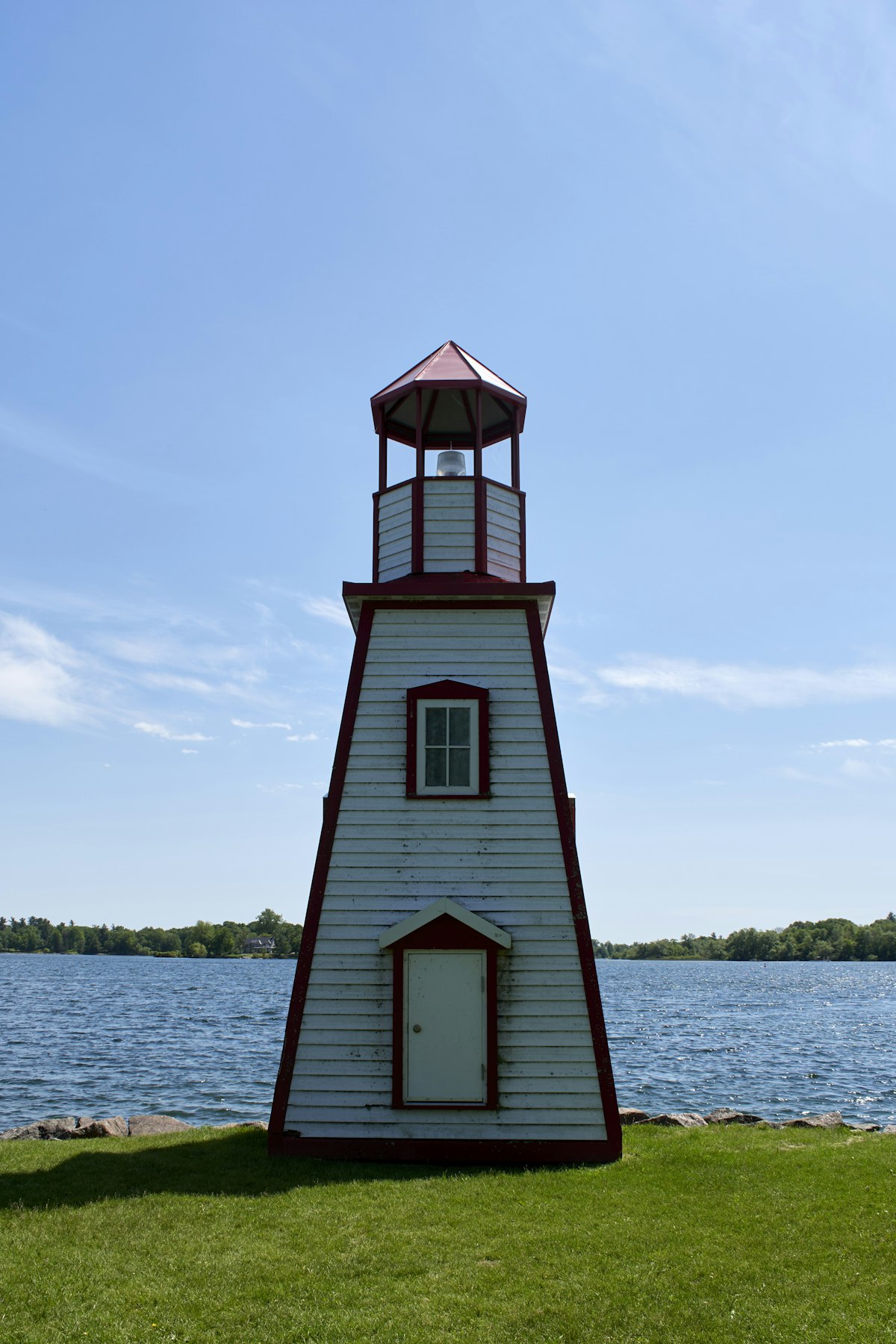 Niagara Falls offers some of the most affordable housing in southern Ontario. By property type, detached homes averaged $749,708 in mid-2025 (down 1.44% year-over-year), semi-detached homes averaged $543,089, townhouses averaged $673,257 (up 1.58%), and condominiums averaged $512,868 (up 4.44%). The average across all residential types for 2025 was $668,349, with single-detached homes expected to see the strongest demand heading into 2026.
The city contains several distinct housing areas. Stamford, in northwest Niagara Falls, is one of the most established family-friendly areas, with most homes built between the 1960s and 1980s in Edwardian-influenced styles. Chippawa, at the southern edge of the city, was founded in 1885 and offers premium waterfront properties where the Chippawa River meets the Niagara River. Downtown Niagara Falls is undergoing revitalization and offers early 20th-century detached and semi-detached homes, duplexes, townhomes, and entry-level condos with rental potential - well-suited to first-time buyers and investors.
The city attracts several buyer profiles: GTA residents seeking value (Niagara Falls sits approximately 130 kilometres from downtown Toronto), investors targeting short-term rental income from the large tourism visitor base, retirees drawn by the mild Niagara climate, and local first-time buyers. With 2,413 active listings and 56 days average on market, conditions favour buyers entering 2026.
For current pricing data, see our market trends analysis.
Niagara Falls offers some of the most affordable housing in southern Ontario. By property type, detached homes averaged $749,708 in mid-2025 (down 1.44% year-over-year), semi-detached homes averaged $543,089, townhouses averaged $673,257 (up 1.58%), and condominiums averaged $512,868 (up 4.44%). The average across all residential types for 2025 was $668,349, with single-detached homes expected to see the strongest demand heading into 2026.
The city contains several distinct housing areas. Stamford, in northwest Niagara Falls, is one of the most established family-friendly areas, with most homes built between the 1960s and 1980s in Edwardian-influenced styles. Chippawa, at the southern edge of the city, was founded in 1885 and offers premium waterfront properties where the Chippawa River meets the Niagara River. Downtown Niagara Falls is undergoing revitalization and offers early 20th-century detached and semi-detached homes, duplexes, townhomes, and entry-level condos with rental potential - well-suited to first-time buyers and investors.
The city attracts several buyer profiles: GTA residents seeking value (Niagara Falls sits approximately 130 kilometres from downtown Toronto), investors targeting short-term rental income from the large tourism visitor base, retirees drawn by the mild Niagara climate, and local first-time buyers. With 2,413 active listings and 56 days average on market, conditions favour buyers entering 2026.
For current pricing data, see our market trends analysis.
Lifestyle & Culture
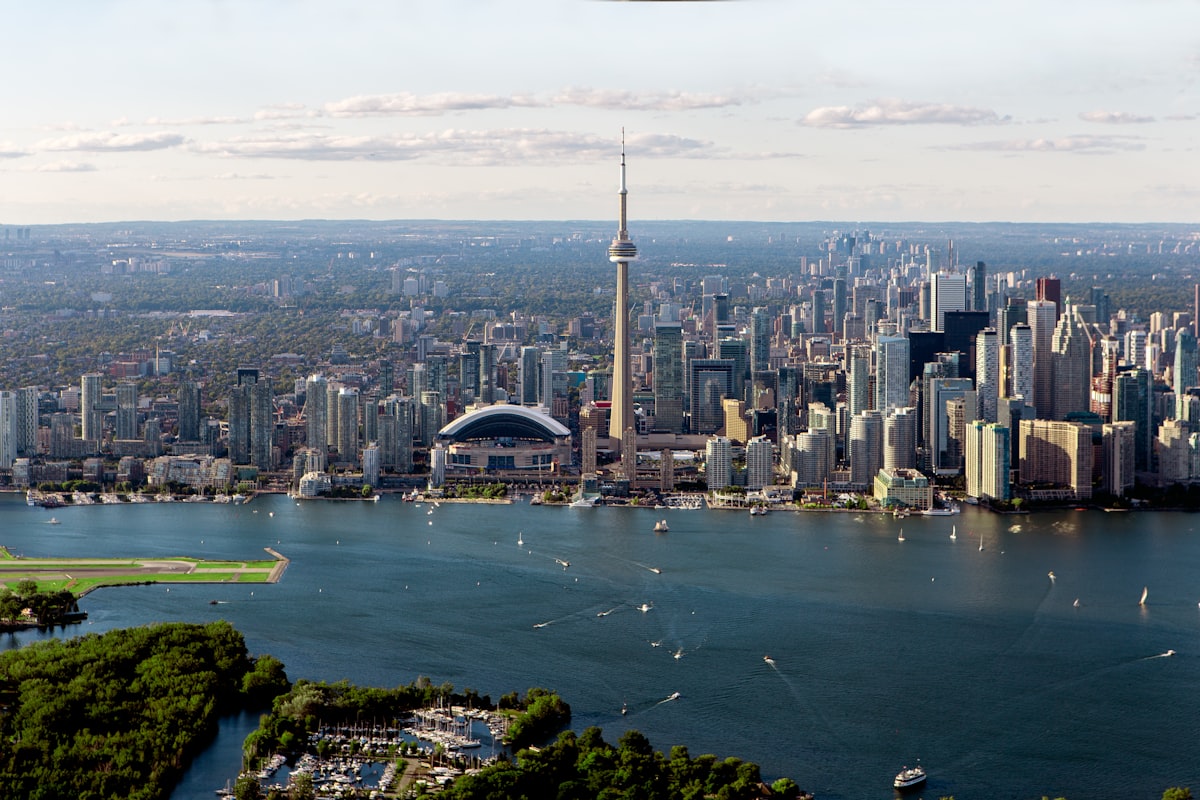 Living in Niagara Falls means direct access to one of the world's natural wonders as a daily backdrop. The Niagara Parks Commission manages 56 kilometres of paved Niagara River Recreation Trail and 15 kilometres of hiking footpaths through six nature areas along the gorge. Queen Victoria Park, bounded by the Horseshoe Falls and Fallsview tourist district, features a rock garden, hybrid tea rose garden, and seasonal floral displays. Surrounding parks - Oakes Garden Theatre, Dufferin Islands, and Kingsbridge Park - are all connected by the Niagara Parkway and Recreation Trail.
The Niagara Parks Botanical Gardens, established in 1936, covers 99 acres of maintained gardens. The Niagara Glen Nature Reserve offers guided hikes with naturalists through ancient gorge terrain. The Recreation Trail is popular for cycling, running, and walking from April through October.
The broader Niagara wine region is minutes away, with over 100 wineries and farm-to-table restaurants between Niagara Falls and Niagara-on-the-Lake. The Fallsview Casino Resort offers dining and entertainment year-round. The Scotiabank Convention Centre hosts events and conferences. For families, the Gale Centre arena complex, community centres, and neighbourhood parks provide local recreation away from the tourist district. The Canada One Factory Outlets, Niagara Square shopping centre, and local commercial strips serve everyday shopping needs.
Living in Niagara Falls means direct access to one of the world's natural wonders as a daily backdrop. The Niagara Parks Commission manages 56 kilometres of paved Niagara River Recreation Trail and 15 kilometres of hiking footpaths through six nature areas along the gorge. Queen Victoria Park, bounded by the Horseshoe Falls and Fallsview tourist district, features a rock garden, hybrid tea rose garden, and seasonal floral displays. Surrounding parks - Oakes Garden Theatre, Dufferin Islands, and Kingsbridge Park - are all connected by the Niagara Parkway and Recreation Trail.
The Niagara Parks Botanical Gardens, established in 1936, covers 99 acres of maintained gardens. The Niagara Glen Nature Reserve offers guided hikes with naturalists through ancient gorge terrain. The Recreation Trail is popular for cycling, running, and walking from April through October.
The broader Niagara wine region is minutes away, with over 100 wineries and farm-to-table restaurants between Niagara Falls and Niagara-on-the-Lake. The Fallsview Casino Resort offers dining and entertainment year-round. The Scotiabank Convention Centre hosts events and conferences. For families, the Gale Centre arena complex, community centres, and neighbourhood parks provide local recreation away from the tourist district. The Canada One Factory Outlets, Niagara Square shopping centre, and local commercial strips serve everyday shopping needs.
Getting Around
The QEW (Queen Elizabeth Way) is Niagara Falls' primary highway connection, running southwest from Toronto through Burlington, around Lake Ontario, and through St. Catharines into Niagara Falls - approximately a 1.5-hour drive from Toronto outside of peak traffic. Highway 420 connects the QEW to the Rainbow Bridge international border crossing to the United States. The Whirlpool Bridge provides an alternative crossing for NEXUS cardholders. GO Transit operates year-round Lakeshore West rail service between Toronto and Niagara Falls, running eight trips per day (four in each direction) seven days a week. The year-round service launched in 2024. The new Confederation GO Station in Hamilton, opened October 27, 2024, serves as an intermediate stop on all Lakeshore West trips to Niagara Falls. VIA Rail operates one daily direct train from Toronto to Niagara Falls station. Each rail trip helps take cars off the QEW during peak travel periods. The WEGO visitor transportation system serves the Niagara Parks and Clifton Hill tourist district. As of September 3, 2024, the WEGO Blue and Orange lines transferred to the Niagara Parks Commission, while the former Red Line was replaced by a new local route operated by Niagara Region Transit. Niagara Falls Transit operates local bus routes throughout the city's residential areas. The compact nature of the city means most destinations are reachable within 15-20 minutes by car, consistent with the average 20-minute commute reported by residents.
Education
Niagara Falls is served by two publicly funded school boards. The District School Board of Niagara (DSBN), headquartered in St. Catharines, operates 79 elementary schools and 20 secondary schools across all twelve municipalities in the Niagara region, including multiple schools within Niagara Falls itself. The Niagara Catholic District School Board operates 49 elementary and 8 secondary schools across the region. Both boards offer French immersion and specialized learning programs. For post-secondary education, Niagara College has campuses in Niagara Falls, Niagara-on-the-Lake, and Welland, offering over 130 diploma, certificate, and graduate certificate programs. The college has been voted number one for student satisfaction among Ontario's large colleges eight out of the past ten years. Key programs align with the regional economy: hospitality, tourism, culinary arts, technology, trades, and business. The Niagara-on-the-Lake campus hosts the Canadian Food and Wine Institute, drawing on the surrounding wine country. Brock University in St. Catharines, approximately 20 minutes from Niagara Falls, is situated atop the Niagara Escarpment and provides a full range of undergraduate and graduate programs. The Niagara Parks School of Horticulture offers a unique three-year residential program that uses the Botanical Gardens and the gorge as outdoor classrooms, training professional horticulturists.
Parks, Shopping & Amenities
Niagara Falls provides a strong set of community facilities. The Gale Centre is the city's primary arena complex, supplemented by community centres, public swimming pools, and neighbourhood parks with playgrounds and sports fields throughout the residential areas. The Niagara Falls Public Library operates multiple branches with programs and digital services. Healthcare is provided through Niagara Health, a multi-site hospital organization serving 434,000 residents across 12 Niagara municipalities. The Niagara Falls hospital site at 5546 Portage Road provides an emergency department, critical care, surgical services, medicine, complex care, ambulatory care, outpatient mental health and addictions, diagnostic imaging, and laboratory services. A major new facility - the South Niagara Hospital, a $3.6-billion project - is under construction and will significantly expand healthcare capacity across the region. Shopping is available at the Canada One Factory Outlets, Niagara Square shopping centre, and local commercial strips. The Niagara Parks system adds world-class green space: 99 acres at the Botanical Gardens, the 56-kilometre Recreation Trail, and Queen Victoria Park along the gorge. Cultural offerings include the Fallsview tourist district restaurants, the Scotiabank Convention Centre, and the broader Niagara wine region with over 100 wineries minutes away in the surrounding countryside. Proximity to Niagara-on-the-Lake and the Shaw Festival adds cultural depth for residents throughout the year.
Niagara Falls Market at a Glance
$557,669
Avg Price
$512,400
Median Price
731
Active Listings