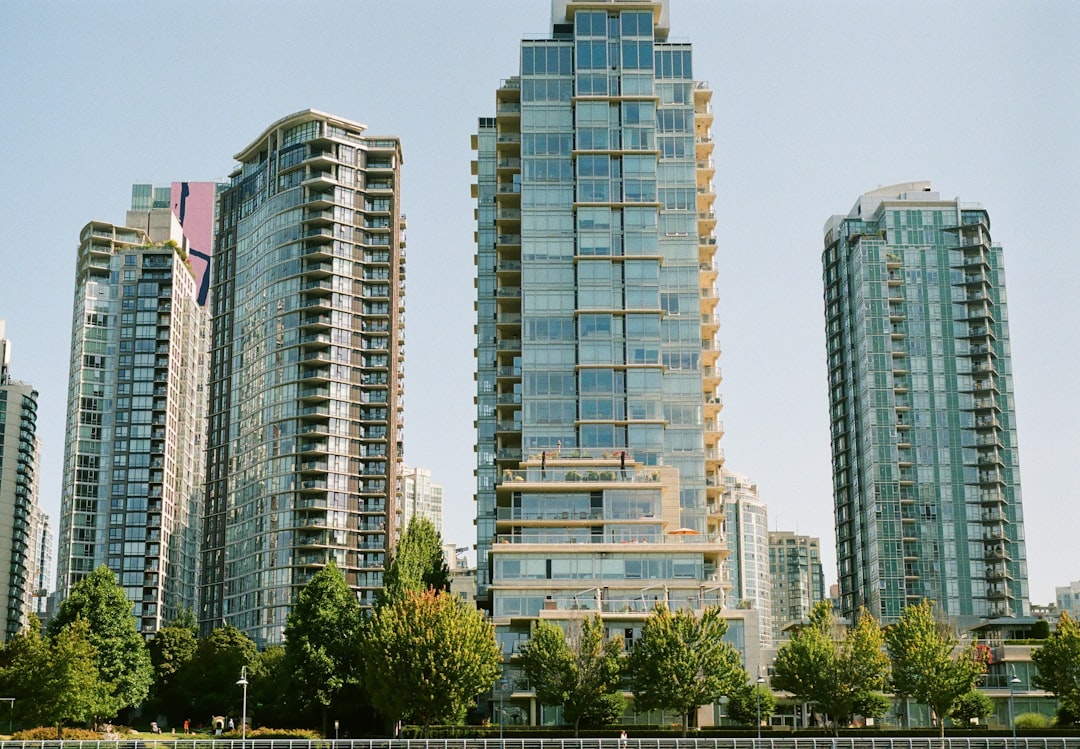
Vancouver's neighbourhoods vary dramatically in character, pricing, and lifestyle offerings. Whether you are looking for a bustling urban core or a quiet family-friendly enclave, the city has a neighbourhood to match every budget and preference. In February 2026, the composite benchmark price across Metro Vancouver was $1,100,300, down 6.8% year-over-year, but prices vary enormously depending on where you choose to buy. The market will likely hover between a buyers and balanced market depending on property type and specific neighbourhood.
Most Expensive Neighbourhoods
Vancouver's most expensive neighbourhoods ranked by cost of living index show Shaughnessy at the top with a population of 9,433 and a cost index of 214, which is 58% higher than the Vancouver average. This tree-lined neighbourhood features grand heritage mansions and some of the largest residential lots in the city. Mackenzie Heights has a population of 1,724 and a cost index of 198, which is 46% higher than Vancouver. Kerrisdale has a population of 16,137 and a cost index of 185, which is 36% higher than Vancouver.
Arbutus Ridge has a population of 17,296 and a cost index of 171, which is 26% higher than Vancouver. Oakridge has a population of 14,826 and a cost index of 169, which is 24% higher than Vancouver. South Cambie has a population of 10,187 and a cost index of 166, which is 23% higher than Vancouver. Quilchena has a population of 5,692 and a cost index of 161, which is 18% higher than Vancouver.
Vancouver West Side detached homes benchmarked at $2,931,700, down 13.7% year-over-year. West Side townhouses were $1,424,100, down 4.2% year-over-year. West Side apartments were $789,000, down 6.1% year-over-year. The West Side composite benchmark was $1,228,600, down 7.7% year-over-year.
Most Affordable Neighbourhoods
Renfrew-Collingwood is often the first neighbourhood mentioned when talking about affordable homes in Vancouver, located on the city's eastern border next to Burnaby. It is a top choice for homebuyers interested in condos and townhomes in Vancouver with prices starting around $500,000. Kensington-Cedar Cottage remains one of Vancouver's most affordable neighbourhoods in 2026, with condos, townhouses, and duplexes priced below the city average.
Mount Pleasant and Marpole have condos starting from $650,000 to $850,000 in 2026, making them a realistic entry point for buyers who want to live close to the city centre. Marpole offers entry-level condos from $600,000 and low-rise apartments averaging $1.1 million, making it one of the few ways to live on Vancouver's West Side without paying premium prices. Areas like Renfrew-Collingwood, Hastings-Sunrise, and Killarney are among the cheapest places to live in Vancouver while still providing great amenities and community infrastructure.


Neighbourhood Rental Market
High-demand rental neighbourhoods include Downtown Vancouver, Yaletown, Coal Harbour, Kitsilano, Olympic Village, Mount Pleasant, and East Vancouver. Neighbourhood rental prices vary significantly across the city. Commercial Drive averages CA$2,700 or more per month. Mount Pleasant and South Main average CA$2,620 or more. The West End averages CA$2,555 or more. Yaletown averages CA$2,745. Coal Harbour averages CA$3,665 or more.
Average home values by neighbourhood include Commercial Drive at CA$1,100,000, Mount Pleasant at CA$956,000, West End at CA$1,288,000, Yaletown at CA$939,474, and Coal Harbour at CA$1,700,000. Low vacancy rates in Vancouver are expected to remain below 1.5 percent in 2026. Conservative estimates predict modest rent increases of 4 to 7 percent annually depending on neighbourhood and unit type.
Suburban Alternatives Worth Considering
For buyers priced out of Vancouver proper, surrounding municipalities offer compelling value. New Westminster offers the best overall value with an average home price of $800,000 and a 20 km commute to downtown. Burnaby is Vancouver's neighbour at 15 to 20 minutes to Downtown Vancouver with a $930,000 average home price. New Westminster offers affordable condo options in the downtown area and close to SkyTrain stations with condo prices often under $500,000, providing a blend of affordability, transit access, and community amenities.
North Vancouver benchmark was $1,279,300, down 5.9% year-over-year. West Vancouver was $2,317,000, down 7.9%. New Westminster was $741,500, down 9.4%. Coquitlam was $997,300, down 7.8%.
Market Conditions Across Neighbourhoods
The overall sales-to-active ratio was 12.6% in February 2026. Detached homes ratio was 9.0%, indicating a buyers market. Townhouses ratio was 16.6%, indicating a balanced market. Apartments ratio was 14.1%, indicating a balanced market. Active listings reached 13,545 properties, 37% above the 10-year average. Riley Park has a population of 25,442 and a cost index of 149, which is 10% higher than Vancouver. Marpole has a population of 27,843 and a cost index of 144, which is 6% higher. Cambie has a population of 7,959 and a cost index of 144, also 6% higher than Vancouver. The strongest rental unit types are one-bedroom furnished apartments in Downtown, Yaletown, and Coal Harbour, and two-bedroom units in family areas like Kitsilano, Point Grey, and Mount Pleasant, along with newer condos near transit stations.
Dunbar-Southlands
- Avg Price
- $3,443,150
- For Sale
- 37
Yaletown
- Avg Price
- $301,200
- For Sale
- 51
Fairview
- Avg Price
- $1,614,000
- For Sale
- 30
Coal Harbour
- Avg Price
- $679,000
- For Sale
- 17
West End
- Avg Price
- $657,450
- For Sale
- 55
Marpole
- Avg Price
- $488,000
- For Sale
- 76
Kensington-Cedar Cottage
- Avg Price
- $1,399,000
- For Sale
- 32
Downtown Vancouver
- Avg Price
- $750,000
- For Sale
- 73
Renfrew-Collingwood
- Avg Price
- $2,499,000
- For Sale
- 58
Mount Pleasant
- Avg Price
- $649,900
- For Sale
- 56
Kerrisdale
- Avg Price
- $1,624,900
- For Sale
- 34
Gastown
- Avg Price
- $653,000
- For Sale
- 13
Compare neighbourhoods in nearby cities: Surrey Best Neighbourhoods | Calgary Neighbourhoods | Toronto Neighbourhoods | Edmonton Neighbourhoods