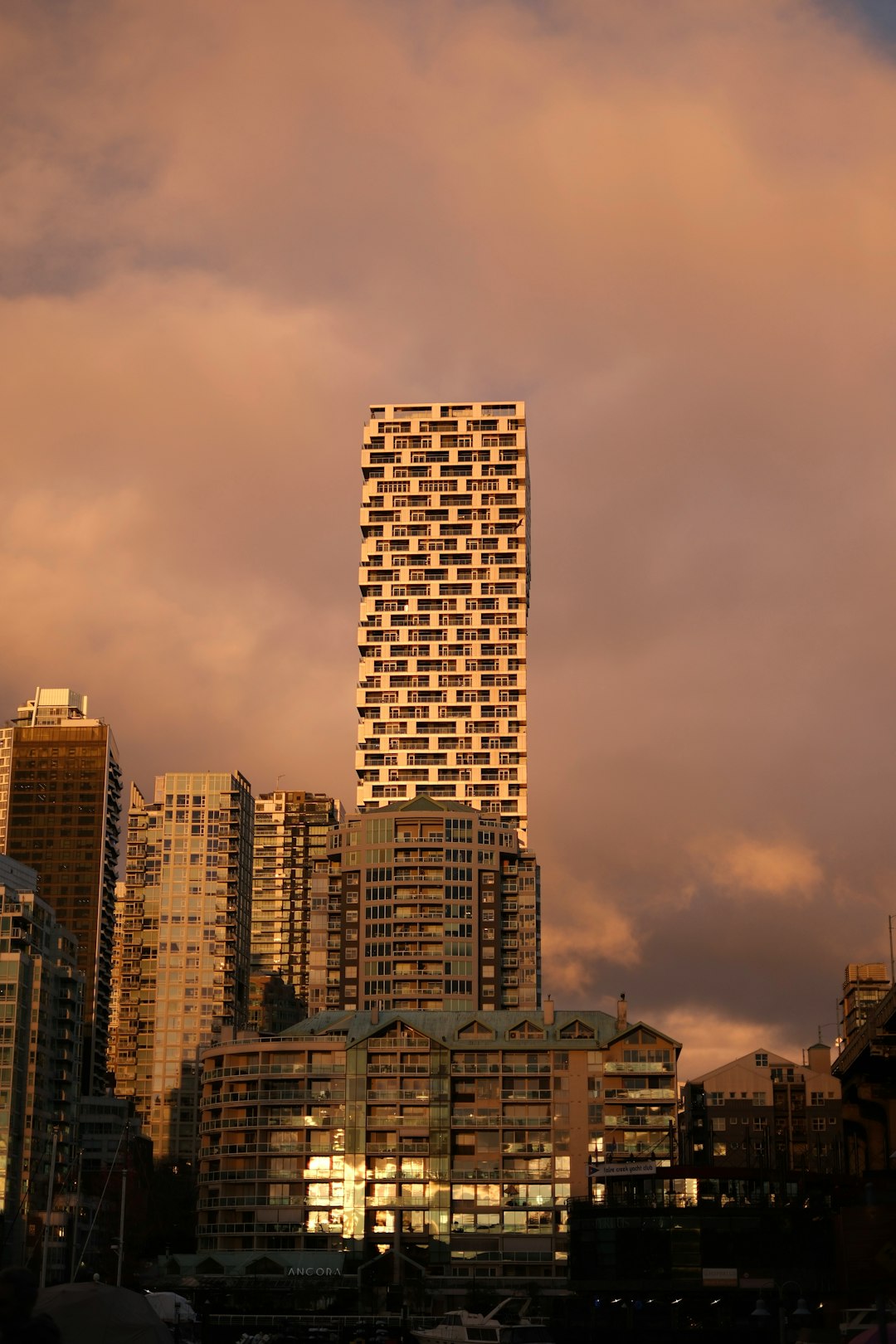
 Vancouver real estate has long been considered one of the strongest long-term investment markets in Canada. Since January 2005, benchmark prices have increased 215%, representing a 5.6% compound annual growth rate. However, the market in 2026 presents a more complex picture for investors, with prices declining across all property types and rental market dynamics shifting. Average residential prices in Greater Vancouver were $1,243,360 in late 2025, down 3.8% year-over-year, while sales volume was 20,332, down 9.4%, and active listings were 15,790, up 23%.
Current Market Conditions for Investors
In February 2026, the benchmark price of homes in Metro Vancouver was $1,100,300, representing a 6.8% yearly decrease. The average home price across all property types was $1,206,180, down 1.5% annually. The detached benchmark price was $1,835,900, down 8.8% year-over-year. The condo benchmark was $708,200, down 6.8% year-over-year. The attached benchmark was $1,046,100, down 5.6% year-over-year. The market is classified as a strong buyers market with 8 months of supply. Royal LePage projects the aggregate Greater Vancouver home price will reach $1.15 million in 2026, representing a 3.5% decline. Single-family homes are projected at $1,610,915, a 5% drop. Condominiums are projected at $712,853, a 3% decline. CMHC expects marginal growth in sales and prices in 2026 and 2027 as high inventory constrains gains. Detached house prices have plunged below the $1.94 million psychological barrier set in January 2024. The market is classified as Moderate Risk with potential bubble risk due to prices appearing disconnected from local income levels.


Rental Market and Investment Returns
Low vacancy rates in Vancouver are expected to remain below 1.5 percent in 2026. Unfurnished one-bedroom apartments rent for $2,600 to $3,100 per month. Unfurnished two-bedroom apartments rent for $3,400 to $4,300. Furnished one-bedroom apartments rent for $2,900 to $3,800. Furnished two-bedroom apartments rent for $3,800 to $5,200. Conservative estimates predict modest rent increases of 4 to 7 percent annually depending on neighbourhood and unit type. Key market drivers include population growth and immigration, construction slowdowns keeping supply tight, higher interest rates increasing owner costs, and increased tenant preference for quality professionally managed units. High-demand rental neighbourhoods include Downtown Vancouver, Yaletown, Coal Harbour, Kitsilano, Olympic Village, Mount Pleasant, and East Vancouver. The strongest unit types for investors are one-bedroom furnished apartments in Downtown, Yaletown, and Coal Harbour, two-bedroom units in family areas like Kitsilano, Point Grey, and Mount Pleasant, newer condos near transit, and micro-units and studios. Peak rental periods are January to March, May to July, and September. Average monthly rent in Vancouver is CA$2,775 overall. Neighbourhood values include Commercial Drive at CA$1,100,000, Mount Pleasant at CA$956,000, West End at CA$1,288,000, Yaletown at CA$939,474, and Coal Harbour at CA$1,700,000.
Investment Neighbourhood Analysis
For investors looking for affordable entry points, Renfrew-Collingwood offers condos and townhomes with prices starting around $500,000. Kensington-Cedar Cottage has condos, townhouses, and duplexes priced below the city average. Marpole offers entry-level condos from $600,000 and low-rise apartments averaging $1.1 million, making it one of the few ways to invest on Vancouver's West Side without paying premium prices. In the suburban market, New Westminster was $741,500, down 9.4% year-over-year, with affordable condo options close to SkyTrain stations and prices often under $500,000. Burnaby is 15 to 20 minutes to Downtown Vancouver with a $930,000 average home price. Coquitlam was $997,300, down 7.8%. North Vancouver benchmark was $1,279,300, down 5.9% year-over-year. These areas offer better rental yields relative to purchase price compared to central Vancouver locations.
FIFA 2026 and Future Outlook
The FIFA 2026 World Cup is expected to create a surge in furnished rental demand during event months from international visitors and media teams. This presents a short-term opportunity for furnished rental investors in central Vancouver neighbourhoods, particularly Downtown, Yaletown, and Coal Harbour. The Bank of Canada overnight rate is currently 2.25% as of January 2026, with total cuts of 275 basis points since June 2024. Five-year fixed rates range from approximately 3.89% to 4.50% depending on the lender. The market will likely hover between a buyers and balanced market depending on property type. Entry-level and lower-priced homes with suites remain seller-favored, while luxury properties accumulate inventory favoring buyers. Vancouver benchmark prices are currently 12.2% below the April 2022 peak of $1,252,800, but up 19.2% over 10 years, demonstrating the long-term growth trajectory that continues to attract investors despite short-term corrections in market pricing.
Dunbar-Southlands
- Avg Price
- $3,443,150
- For Sale
- 37
Yaletown
- Avg Price
- $301,200
- For Sale
- 51
Fairview
- Avg Price
- $1,614,000
- For Sale
- 30
Coal Harbour
- Avg Price
- $679,000
- For Sale
- 17
West End
- Avg Price
- $657,450
- For Sale
- 55
Marpole
- Avg Price
- $488,000
- For Sale
- 76
Kensington-Cedar Cottage
- Avg Price
- $1,399,000
- For Sale
- 32
Downtown Vancouver
- Avg Price
- $750,000
- For Sale
- 73
Renfrew-Collingwood
- Avg Price
- $2,499,000
- For Sale
- 58
Mount Pleasant
- Avg Price
- $649,900
- For Sale
- 56
Kerrisdale
- Avg Price
- $1,624,900
- For Sale
- 34
Gastown
- Avg Price
- $653,000
- For Sale
- 13
Explore all Vancouver listings and read our market trends analysis.